
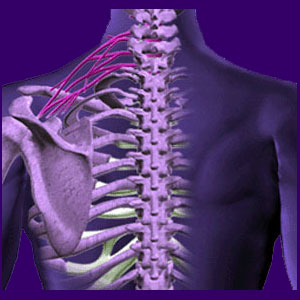
Spinal nerve injury is a general term which denotes damage to a neurological structure within the vertebral column. This can take many forms, ranging from trauma to tiny and less significant nerves to damage to vital spinal nerve roots or even the spinal cord itself.
The effects of a neurological back injury may be mild or severe, temporary or permanent. Nerve involvement close to the spine is often a serious matter and appropriate treatment should always be sought out from a qualified neurologist.
The scope of this article will focus on injury to the nerve roots, since these are the truest definition of spinal nerves. The nerve roots branch off the spinal cord and go on to form an incredibly complex network of neurological tissues throughout the body. Each nerve root corresponds to particular areas of the anatomy, so injury will have highly specific effects.
Varieties of Spinal Nerves
Spinal nerve tissues come in primarily 3 varieties which are typically bundled together. Trauma can affect one or all of the following tissue types:
Motor nerves control the actual motion of the muscles in the area served by the nerve. Injury can produce limited physical functionality in the served muscle groups.
Sensory nerves carry messages of feeling, such as temperature, pain and texture. Injury can produce abnormal sensations or prevent any sensation at all.
Autonomic nerves operate bodily systems that are not governed by our conscious thought. These nerves control autonomic processes, such as the regulation of blood pressure and heart rate. Damage to autonomic structures can have the most dire effects in many cases.
Causes of Spinal Nerve Injury
Most nerve injury occurs from trauma, such as a car accident, fall or act of violence. Nerve injury can be a singular condition or can be the result of another spinal problem.

Singular nerve injury might occur from a puncture or incision type wound. Nerves can literally be severed, bringing on acute symptoms. Singular nerve injury can also be the result of blunt trauma, in which case the nerve can be bruised or crushed. Depending on the type of nerve that was damaged, the patient might suffer the loss of motor, sensory or autonomic function. Skilled doctors are always improving neurosurgery techniques and can now heal many injuries that were hopeless in the past.
Secondary spinal nerve injury is caused when a primary structural condition affects a spinal nerve. Herniated discs, fractured vertebrae, back muscle injuries and other problematic complaints, can compress spinal nerves. This condition is referred to as compressive neuropathy or a pinched nerve. When a nerve is compressed, affected tissue might suffer symptoms ranging from a mild reduction in signal to a complete loss of neurological function. Compression of certain nerves in the lower back can lead to a condition called cauda equina syndrome. This condition is serious and should be treated immediately by a qualified doctor or hospital.
Assistance for Spinal Nerve Injury
Spinal nerves are the conduits of our life force. Nerve tissue is extremely sensitive and delicate. Any unusual neurological symptoms should be reported to your doctor immediately. Many nerve injuries leave the patient with permanent functional and/or sensory deficits. Modern neurosurgeons have performed many miracles in the repair and reconstruction of nerve injuries. All nerve conditions deserve to receive the best care from the most knowledgeable doctors available.
Remember that ischemia can also enact neurological symptoms and can mimic the effects of an actual injury perfectly. If your neurologist cites nerve dysfunction, but no trauma to the affected structure exists, considering oxygen deprivation as a possible source of suffering is wise.