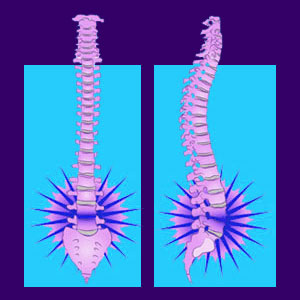
Spondylolysis is a fracture or defect that usually affects the L5 vertebra, although technically, it can happen virtually anywhere in the spinal anatomy. This defect or injury occurs in the bony area called the pars interarticularis. This is one of vertebral features which helps to join spinal bones to one another and secure their respective location in the multiply curved column. This fracture sometimes compromises the vertebral anchor and allows the entire bone to move forward and out of alignment with the rest of the spine. When this occurs, the condition is called spondylolisthesis.
There is an inherited genetic component that may result in an unusually thin pars interarticularis generally, or at the affected level only. This thin region of bone does not guarantee that spondylolisthesis will develop, but it increases the chance for the condition to exist with time or trauma.
This investigation helps patients to better understand the relationship between particular types of vertebral defects and the development of spinal bone migration concerns.
Risks For Slipped Vertebra
Some activities put heightened stress on the lower back region. When decreased bone mass in the pars interarticularis exists, there is a good chance that the vertebra might surrender to tremendous force applied to it and fracture. People with a family history of spondylolisthesis should take special care when partaking in any high risk activity.
Certain sports and activities can cause a increased chance of escalating a spondylolysis issue. Some of the highest risk activities include: weight training, gymnastics, American football, wrestling, judo, horseback riding and jumping, as well as many high-impact activities.
The majority of observed pars interarticularis defects are related to congenital defects that are often expressed genetically. A baby might be born with weakness or an already open section of bone at the pars interarticularis and some infants are born with existing listhesis issues.

Verdict on Spondylolysis
Remember, there are 2 distinct versions of this relatively common vertebral defect: Injurious fractures to the pars interarticularis can happen to anyone at anytime, even when the region is strong and normal. Congenital pars interarticularis deficiencies are rarely discovered prior to them causing some significant shift in the spinal anatomy.
In scenarios where the patient does recognize the need to use caution during risky activities, activity avoidance should always be a priority. Prevention of injury is far easier than treating it once it occurs. If you are aware that spondylolisthesis runs in your family, be careful with your lower back or neck. If you already have mild spondylolisthesis, try not to worry about it too much, but keep it in mind as you are physically active. The anxiety will only lead to the possibility for worse symptoms.
Remember, many others have vertebral displacement and have no symptoms at all. Additionally, minor cases and even moderate profiles are rarely symptomatic to any noticeable degree. It is possible, and even probable, that you will live a normal and pain-free life. Serious vertebral slippage may result from traumatic injury or extreme defects in the pars interarticularis. In cases of severe spondylolisthesis, treatment is likely to be needed and surgery may be the right path. Always seek qualified care from a spinal neurologist to research the best approach to care for these unfortunate extreme spinal pathologies.
Traumatic fractured vertebrae can be very painful when they first occur in the pars interarticularis. However, given proper care and healing, most painful complaints will resolve completely and not cause any chronic back pain or vertebral slippage conditions to develop. Make sure to rehabilitate the injury properly to ensure optimal healing for any form of fracture.