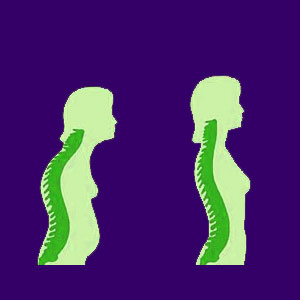
Sway back (also known as saddle back or hollow back) is a condition which describes an exaggerated lordotic curvature in the lumbar spine. A lordotic curve is completely normal and healthy for the lumbar and cervical regions of the spinal column. However, sometimes this curvature is greater than the clinical anatomical norm. In these cases, the patient is said to show signs of exaggerated lordosis.
Mild hollow back conditions will not be noticeable. More drastic cases of hyperlordosis in the lumbar spine are characterized by a deep curve in the low back and very prominent buttocks. In a few cases, a deep curvature will also make the belly appear to stick out more than usual.
This essay examines the diagnosis and facts of hollow back conditions in the lumbar region of the spine.
Hollow Back Terminology
Several other common colloquial names for this condition exist in the diagnostic process. Saddle back was a common term used years ago, since the exaggerated lumbar curve resembles the back of a horse, right about where the saddle would go. Hollow back is still used occasionally to describe the abnormal space created in the lumbar spine because of the increased lordotic curve.
Proper medical terminology for this condition is lumbar lordosis, or more technically, lumbar hyperlordosis. The colloquial terminologies are provided here for reference only and in no uncertain terms should any of these be used in medical circles or to refer to any affected individual. The terms are not kind, nor scientifically correct.

Hollow Back Condition
An exaggerated lordotic curve is usually no cause for concern. Most lordotic curves still fall into the realm of normal variation and will not even be noticed by the patient. Moderate curves will likely produce a visual deformity, but are not typically painful or symptomatic in any way.
Severe lordotic curves can be problematic, since the spine loses its ability to adequately distribute both weight and shock. Severe curvatures have limited lordosis treatment options available, with the most common being spinal fusion surgery.
Make sure you understand the risks and side effects of this procedure before even considering surgical correction of any abnormal spinal curvature. In all but the worst instances of lordotic change, the effects of fusion may be worse than the symptoms of the increased lordosis.
Sway Back Issues
Many cultures in the world consider lumbar hyperlordosis a trait of beauty, especially among women. A slightly exaggerated lumbar curve is often considered a genetic gift and a highly desirable trait in some societies. Take this into account if you have a mild to moderate exaggerated lordotic curve. Instead of receiving a nocebo effect from the diagnosis of this condition, simply tell your doctor: “Yes, I know I have an exaggerated curve. Isn’t it attractive?”

But seriously… There is rarely any cause for alarm when it comes to most hyperlordotic spinal curves. Do not allow a care provider to create symptoms when none are appropriate. Remember the facts of this condition to prevent your subconscious from using it as a site to create a psychosomatic pain syndrome.
If you do have a serious spinal curve, make sure to research your treatment options carefully. Sometimes, no treatment is better than treatment with severe side effects. This point should be discussed at length with your doctor. If you do decide on an operative intervention for your spine, be sure to choose your surgeon carefully and consider all possible approaches to the procedure for best curative results.