
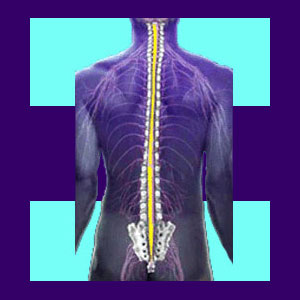
Tethered spinal cord syndrome is also sometimes known by the name occult spinal dysraphism sequence. The condition describes a structural condition which limits the free movement of the spinal cord inside the spinal canal. Typically, the cord is suspended freely in the spinal fluid, but in the case of TSCS, the cord is bound and abnormally stretched by tissue attachments.
Tethered cord conditions can be very serious and might have lifelong consequences in many instances. This editorial provides an overview of what it is like to have a tethered spinal cord, including the usual causes of the disorder, its symptomatic expressions and how this serious spinal problem can be treated.
Tethered Spinal Cord Facts
TSCS is a rare neurological condition and is often completely asymptomatic. Many cases are not even diagnosed until adulthood, since symptoms in young patients are particularly uncommon.
Sometimes age and degenerative wear and tear cause pain and other symptoms to occur in adults. The condition can be diagnosed with an MRI, CT scan or myelogram.
TSCS is often related to spina bifida and affects a considerable percentage of bifida patients. Even harmless cases of bifida can involve symptomatic TCSC later in life as the spinal cord is stretched beyond normal proportions and becomes progressively weaker in its neurological functions. Remember, the spinal cord is naturally designed to be suspended in the central canal without any restriction of movement. When it is actually bound or attached, fibers can rip or stretch, losing structural integrity and possibly enacting neurological consequences.

Tethered Spinal Cord Syndrome Symptoms
Some cases of the condition do not and will not cause noticeable symptoms. However, many cases are problematic at some point and might cause back pain, sciatica, neurological symptoms (such as weakness numbness and tingling) and incontinence.
The physical traits associated with the condition include: lesions, dimples or hairy patches on the lower back, cyst formation around the spinal cord, skin discoloration in the affected region and scoliosis or other spinal curvature. However, some affected people have no outward signs that they demonstrate a tethered spinal cord inside their backbone.
The degree of experienced symptoms varies greatly from patient to patient and serious permanent nerve damage is possible in rare instances.
Tethered Spinal Cord Syndrome Conclusions
This is a difficult and enigmatic condition to deal with, since it can exist for years without causing any problems and then can strike seriously and suddenly, affecting the overall quality of a patient’s life.
Tethered spinal cord is most often a progressive condition and patients with significant discomfort might require back surgery or other drastic back pain treatments to manage their symptoms.
There are many reasons why TSCS might exist, including trauma, idiopathic congenital condition, spina bifida complication, thickening of the filum terminale, back surgery complication, lipoma formation and many other far less common causations. This condition should be treated carefully and patients are advised to find a specialist for any ongoing care. Luckily, many cases are either asymptomatic for many years or demonstrate minor symptoms which can be managed through nonsurgical modalities. We have even seen numerous cases where the tethered spinal cord acted as a convincing scapegoat for pain, which was eventually curable using alternative approach to care, such as those outlined in our proven pain relief program.