
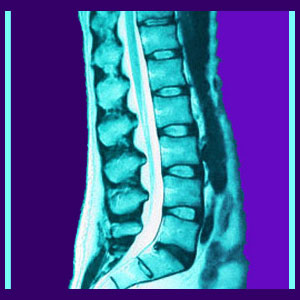
The thecal sac is the protective enclosing membrane which surrounds the spinal cord and cauda equina. This sac is filled with cerebral spinal fluid and is often featured prominently on MRI imaging reports for back pain patients. While most people are not sure exactly where this sac actually exists in the anatomy or what it does, they are very upset to see it implicated as being compressed, effaced or impinged upon on their MRI studies.
The thecal membrane is part of the dura mater, which is the outer layer of the various sealed compartments which encapsulate the central nervous system tissues, including the brain and the spinal cord.
This article will examine the thecal structure and its role in the generation or expression of back or neck pain symptoms.
Thecal Membrane Impingement
A great number of MRI results state that a bulging disc or herniated disc is impinging upon the thecal sac. Doctors often take this chance to justify treatment, since compression of any spinal structure must be really bad, right? Wrong. This protective sac is little more than a fluid filled membrane and it is not affected by herniations which efface it, abut it, compress it or impinge upon it. All of these terms are used interchangeably and mean virtually nothing. They certainly do not explain why a person may demonstrate back pain.
If the compression affects actual neurological tissue, then this is a completely different matter all together. However, when a disc touches the thecal membrane it is little more than slight pressure against an organic water balloon. The sac will accommodate the stress and no effects should be enacted as long as the nerve tissue remains viable and cerebral spinal fluid can continue to circulate regionally.

Thecal Sac Purpose
The thecal membrane contains the spinal cord and eventually the cauda equina in the lumbar spine and insulates these structures from the rest of the spinal anatomy. It also encloses the cerebral spinal fluid, which is crucial for a proper functioning spine.
It is this membrane which is often damaged during epidural injections or spinal surgery, resulting in cerebral spinal fluid leaks, which can be very problematic. Symptoms include chronic severe headaches and dizziness, among other concerns. Leaking spinal fluid is one of the many common complications of any invasive back pain treatment. In many instances, a secondary surgical procedure might be needed to seal off significant and unresponsive spinal fluid leaks.
Thecal Sac Information
It is crucial to know and understand that herniated discs which abut the thecal membrane are very different from those which compress the actual spinal cord. Sac compression or impingement diagnoses mean virtually nothing and are not usually the source of pain. Severe sac compression, may limit proper circulation of cerebral spinal fluid, but these issues generally resolve without treatment. Central disc herniations have the best chance of impinging on this sac, but are not typically symptomatic or any need for concern in their milder forms.
To learn more about the thecal membrane and its uses, talk to your physician. A neurologist might be best able to describe the difference between thecal membrane compression and compressive neuropathy which affects nerve tissue.
Back Pain > Spine > Thecal Sac