
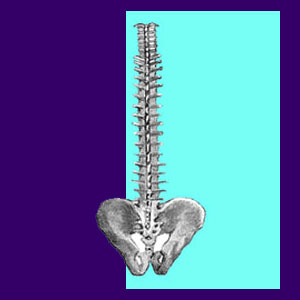
A vertebral subluxation is a term used extensively in chiropractic. In traditional medicine, a subluxation is defined as a partial dislocation of a joint, bone or organ. According to the medical definition, spinal subluxations are rare, but chiropractors use the term in a completely different way. In fact, according to chiropractors, subluxations occur constantly throughout the spine and set the stage for disease and injury to occur. By correcting these subluxations, the chiropractor claims to provide improved nerve flow through the spine and enhance the overall health of the patient.
This discussion provides an overview on spinal subluxations and how they can affect overall health and wellness.
What is Vertebral Subluxation?
In chiropractic terms, a subluxation describes a subtle misalignment of a vertebral bone. This slight deviance from the “normal” position is not usually visible on any imaging study. It is detectable only to the trained hands of a master chiropractor.
Medical doctors do not usually subscribe to this diagnosis of a subluxated vertebra. There is no medical proof that there is any particular normal or optimal vertebral position, so it is difficult to determine if a vertebra has shifted abnormally. Being that this philosophy of treating subluxations is one of the most basic and inherent tenets of chiropractic, some medical doctors use this lack of evidence as an excuse to dismiss the entire profession and virtually all the treatments offered.

Effects of Vertebral Subluxation
Vertebrae that rotate or tilt can compress nerves exiting from the spine. This model makes sense to both medical science and chiropractic. However, the meaning of subluxation as defined by a chiropractor is very ambiguous and might describe the most miniscule shift from an arbitrary normal position. This shift may not cut off nerve energy or compress the nerve, but it may reduce the quality of the nerve signal. This can be the start of a health problem in the area served by that affected nerve.
This is the basic ideology embraced by chiropractors and the reason why they treat subluxated vertebrae so diligently.
Chiropractic Treatment for Subluxated Vertebrae
A manual chiropractic adjustment is used to realign the spinal bones. The adjustments will usually be given to the entire spine, regardless of the location of the subluxation. The sound produced by a spinal manipulation is akin to the cracking of one’s knuckles, and is medically termed “crepitus” or “cavitation”.
Once again, medical specialists often take exception to the claims that chiropractors are actually doing anything at all with these manual spinal adjustments. Many traditional medical providers have studied chiropractic and tell that the force utilized during adjustments could never move a vertebral bone. Furthermore, if enough force was used to actually elicit vertebral movement, spinal trauma would likely occur. Meanwhile chiropractors often refute this, saying that the subluxations are subtle, as are the changes enacted by adjustments.

Vertebral Subluxation Summary
Subluxation is a word that was in medical usage long before it was adopted by chiropractic. I question if it was wise for chiropractors to use this same term to describe a completely different condition than a medical spinal subluxation. This issue was a point of contention between doctors and chiropractors for many years. If it was not for the highly profitable pairing, these 2 professions would probably still be arguing over the semantics of the words. However, words are not the point of this article… the question of the potential effectiveness of chiropractic treatment for neck and back pain is.
If you want to learn more about how subluxations can be treated, be sure to consult with a local chiropractor and ask lots of questions. Once you hear their side, do some independent research of your own and believe what makes sense to you.