
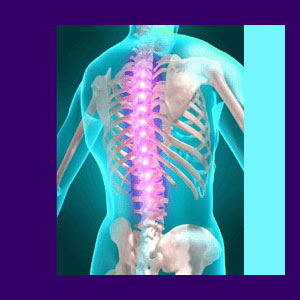
Walking back pain is one of the least common of the activity-related chronic back pain syndromes. People who endure walking-related symptoms have a very difficult time functioning normally, since they feel limited in getting around and typically can not live full and productive lives. It is amazing how we take walking for granted, until we are unable to do it anymore.
Ironically, walking for back pain is generally a widely accepted and generally effective treatment for many patients who are affected by particular forms of dorsopathy.
This guide provides explanations as to why walking may cause or exacerbate pain in the back, neck and legs.
Walking Back Pain Conditions
Some structural concerns might be worsened from walking. This is most commonly seen in such combination back pain syndromes as back and leg pain or back and hip pain. Generally, the symptoms might come on strong in the legs or hips when the patient is forced to bear weight standing or walking. Pain while moving forward might be related to very specific anatomical conditions and should be referred to a qualified physical therapist for diagnosis.
It is crucial to understand that many cases of otherwise idiopathic walking back ache are the direct result of regional ischemia. This process is virtually always enacted by the subconscious mind, in response to a psychosomatic symptom imperative.
In most patients, walking becomes an avoided activity, since it somehow factors into the underlying emotional issues causing their symptomology. Work-related walking concerns are generally at the top of this list of self-regulated behaviors.

Walking Pain from Spinal Stenosis
Spinal stenosis can cause many patients to suffer not only pain when walking, but also weakness, tingling or numbness in the back, buttocks, legs or feet. This can occur regardless of where the stenosis exists in the vertebral column, making positive diagnosis a tricky task indeed.
Some patients may have a tendency to fall or stumble while walking, while others demonstrate visual neurological effects, such as foot drop. Many patients actually have no pain at all, but simply can not walk due to a lack of strength or balance. These are all symptoms of spinal canal stenosis.
In some cases, these stenosis conditions may require drastic treatment, including surgical correction of the factors narrowing the central canal space. However, it is vital to know that that stenosis is a normal part of aging and mild to moderate cases are usually not problematic. Symptoms only typically occur if the spinal cord or cauda equina are verifiably compressed.
Walking Back Pain Solutions
Not walking at all is generally not a good treatment option, since it will drastically limit a patient’s activities and self-sufficiency. Many patients become quickly frustrated by a lack of physical ability and aggravate the condition by trying to do too much, too soon. Instead, try to find comfortable methods of getting around if possible and do not get stressed out about your pain.
If your doctor can pinpoint the exact reason for your pain, attempting to resolve the anatomical issue might be key to your recovery. If no specific structural issue is diagnosed, there is a very good chance that your walking-related back pain may be a mindbody issue. Don’t get too upset at this possibility, since psychologically-induced pain syndromes are universal in society. The only variables are the severity, location and duration of the symptoms.
For this type of pain, knowledge therapy is usually the best solution, since it uncovers the root emotional sources of pain and helps the patient recognize and overcome the subconscious reasons that are responsible for their suffering.

Walking Back Pain Factsheet
Sometimes, fear plays more of a role than walking in generating symptoms. Patients who suffer a nocebo reaction from a diagnosis might develop what has been called a physicophobia. This is the fear of even the most basic and simple physical activities, such as walking. These patients literally tread on egg shells in order to prevent the pain from returning.
Many of these cases are certainly psychosomatic and not linked to a structural spinal abnormality. However, some may be purely physical, especially in cases of highly sensitized nerve structures which suffer the effects on any impact activity.
For patients with verifiable reasons for walking related pain, make sure to discuss potentially effective treatment options with your doctor, in great detail, before making up your mind on the best course of action. Remember, if the diagnostic theory turns out to be incorrect, then any therapy attempted will likely disappoint.