
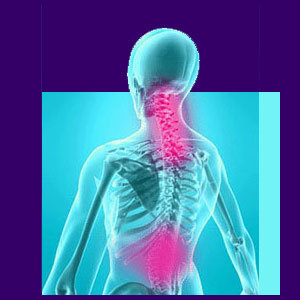
Whiplash back pain is a common side effect of a traumatic hyperextension or hyperflexion injury to the neck region. When the head is thrown violently forward or backwards on the neck, the force of the movement will commonly damage the immediate neck muscles and the surrounding upper back muscles. This is the primary reason why so many whiplash patients experience not only localized cervical pain, but also radiating thoracic and shoulder pain, as well.
If a neurological structure is affected or damaged in any way, symptoms may be even more wide-ranging. In some cases, patients may experience pain, tingling, weakness or numbness in the upper or lower limbs, as well as in the torso, including the mid back, low back or buttocks.
This article examines actual back pain that is created after a cervical hyperflexion and hyperextension trauma.
Causes of Whiplash Back Pain
The head is a heavy structure which acts as a weight during a whiplash event. The neck is the weakest and thinnest area of the spine, yet it must still support the considerable burden of the head. Normally, with the range of cervical motion precisely controlled by the muscles, ligaments and bones of the neck, there is no problem supporting the head. However, when force and acceleration is applied to the head during a traumatic event, the neck can stretch well beyond its normal safe and comfortable limits, creating whiplash neck pain.
Damage to the cervical region is expected, but the injury can radiate into the upper back and shoulder region if the force is particularly great. Radiating pain in the thoracic spine is the most common expression of whiplash in the back. However, some patients will have similar expressions in the middle or even lower back regions, as well or instead. Symptomatic activity consisting of pain in between the shoulders is also widely reported by affected patients.

Treatment for Whiplash Pain
Damage to the thoracic region is most commonly less severe than to the cervical spine. Most symptomatic conditions in the upper and mid back can be treated with heat and ice and maybe some form of OTC pain management. Very serious trauma might require drastic medical attention, including possible back surgery. It is crucial that all cases of whiplash be examined and treated by a qualified physician, preferably educated in emergency medicine and trauma care.
In some instances, pain in other areas of the back may not require specific treatment, since they occur from general trauma and not specific injury, per se. However, in a few cases, pain may result from nerve damage in the neck or upper back and may produce symptoms in anatomical areas distant from the actual injury. It is for this reason that patients are advised to seek evaluation from a neurologist in cases of unexplained limb or low back pain related to a known whiplash event.
Whiplash Back Pain Injuries
Whiplash injuries are usually very painful during the acute stage, but are not often long lasting. Most minor injuries will heal, with or without treatment, in a matter of days or weeks. Severe injuries might necessitate professional treatment, but should heal well and not leave permanent effects.

Long-term chronic back pain resulting from a whiplash injury is possible, but is often just another example of a back pain trigger mechanism. The whiplash event provides an ideal opportunity for the mind to create a convincing psychosomatic pain syndrome. Make sure to consider this possibility if your pain becomes a ongoing problem.
Remember that physical traumas also affect the emotional mind. The diagnostic nocebo effect imparted after an accident is a primary source of psychosomatic symptom perpetuation and escalation. Never discount the role of the mind of its abilities to both create and resolve pain.