
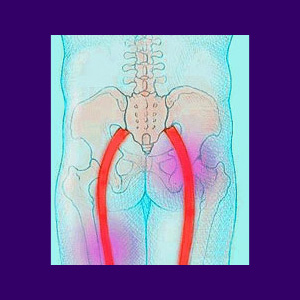
Hip bursitis is also commonly known as trochanteric bursitis and affects many patients with and without associated pain. Degeneration of the synovial sacs, called bursa, in the hip joints is virtually universal as we age, since arthritic change is a normal part of life. While most people endure the loss of synovial fluid and some increased friction in the hip joint, only a few actually develop significant pain in the region. The reasons for this vary, but are typically linked to misdiagnosis, lifestyle, weight and genetic patterns, as well as the ever important mindbody process.
Clinical research shows virtually no correlation between the incidence of bursitis in the hip and the existence of pain. Many patients have terrible symptoms without any diagnosed structural issues in the hip, while others have significantly degenerated joints, yet experience no discomfort or functional decrease at all.
This discussion examines the reasons why hip pain might exist in the presence of incidental structural joint changes.
What is Hip Bura Pain?
Bursitis in the hip is identical to inflammation of the bursa in any other synovial joint in the anatomy. In the hip joint, the bursa implicated exist between the femur bone and the gluteus muscles which surround the joint.
In true cases of bursitis, the pain is mostly linked to specific movements and can usually be treated with ice or pharmaceutical therapies. However, this bursa pain condition is very commonly misdiagnosed as the source of pain, as are the many other symptomatic conditions which affect this area of the anatomy. Dr. John E. Sarno wrote much about bursitis in the hip and how so many cases were caused by ischemic tendonitis (a TMS equivalent) rather than coincidental bursa degeneration in the actual hip joint.
Hip Bursitis Issues
Besides bursitis in the hip, there are many other diagnoses here which often turn out to be incorrectly identified as the true source of severe and chronic symptoms. Sacroiliac joint pain is a usual scapegoat, as are unequal leg lengths, iliotibial band syndrome and muscle imbalances. General arthritic change in the hip also accounts for a great number of diagnoses.

In some cases, all these theories turn out to be wrong and the patient is actually suffering from regional oxygen deprivation of the soft tissues in the hip anatomy. This may take the form of tendonitis or nerve pain, as well as muscular pain, which can often be linked to a sciatica pain syndrome or even a lower back and hip pain condition. In these cases, the true reason for the pain may be purely psychosomatic.
Hip Bursitis Suggestions
The hip is a complicated joint which is expected to degenerate as part of its normal lifespan. The incredible incidence of hip replacement and other forms of surgery show that medical science focuses heavily on this region, even though many chronic pain concerns are not caused by the structural changes implicated in many sufferers.
It is certainly possible to endure pain in the hip due to degeneration and this does occur in many patients. However, it is crucial to research the expected symptoms of any diagnosis and compare these to your actual expression. If there are discrepancies, then misdiagnosis may be involved and may lead you to inappropriate treatment or even unnecessary hip surgery. Be warned that this is far more common than you may realize and accounts for the majority of patients with poor curative results and failed operations.
Back Pain > Psychologically Induced Pain Syndromes > Hip Bursitis