Inversion therapy is an ancient treatment for a staggering variety of painful disorders and health issues. Inversion literally means to hang upside down, reversing the anatomical effects of gravity.
Inversion can be used as part of a spinal decompression program in order to reduce or eliminate the symptoms of certain spinal conditions. Inversion is truly the most primitive form of decompression available, but many patients swear by its efficacy and some have even called it a miraculous cure for their symptoms.
On the flip side, other patients have been injured using inversion therapy and some have even died from various health complications which ensued during or after treatment. One thing is for sure, inversion must be researched thoroughly and all risk factors weighted carefully before anyone uses the therapy to treat their chronic neck or back symptoms. Additionally, we would highly recommend talking to your doctor about inversion to be sure it is safe for you and your diagnosed condition.
Types of Inversion Therapy
The two most common types of inversion apparatus are gravity boots and inversion tables. Gravity boots are attached to a mounted accessory rack and allow the user to suspend themselves straight up and down from their ankles. Inversion tables are generally thought to be safer and easier to use. These devices allow multiple angles of inversion and have more features than simple boot inversion methods.
Both methods span the range of prices financially, although boot systems are typically far less expensive than tables. If one had to make a choice, most therapists who endorse inversion recommend table systems due to increased safety and an increased audience for indicated uses.
Benefits of Inversion Therapy
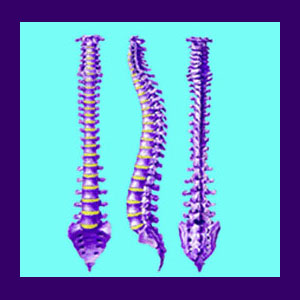
Inversion is said to promote spinal decompression by stretching and elongating the spine. This theoretically takes pressure off compressed intervertebral discs and vertebrae which may be enacting a pinched nerve.
Other possible benefits of inversion are: increased strength and flexibility in the core muscles and ligaments, increased circulation and meditative potential. I completely agree that inversion for fitness can be a fantastic work out, especially for the abdominals. However, even the best certified trainers understand there are risks with this application also.
Warnings on Inversion Treatments
Inversion can be dangerous. It is wise to have a partner available should you require assistance while inverted.
People who have hypertension or coronary disease should not even consider inversion.
Pregnant women should not invert.
Patients with a variety of eye problems, including glaucoma, should not use inversion devices.
Make sure to fully understand the correct usage and safety procedures before using any inversion apparatus. Remember, you will be upside down (to one extent or another) and may suffer an acute attack of pain or other health emergency, such as a stroke or heart attack. Hanging upside down is not the best place to be in such a situation and may become a death sentence if you are alone.

Suggestions for Using Inversion Therapy
I have tried inversion for the relief of my own chronic lumbar back pain. I received no benefits whatsoever and in times when I was experiencing pain, inversion was slightly scary.
I do see the benefits of inversion for those (in excellent shape) who want to train their core muscles with an ultra-challenging fitness routine. I have also tried using inversion to build my abs with mediocre results, so I discontinued the practice altogether after a short time. I just did not see any real rewards for all the trouble.
If you want to try an inexpensive and self-controlled form of spinal decompression, you might want to investigate inversion techniques further. Some patients do report excellent results using these inversion devices for their chronic back pain. Others report virtual horror stories of pain, health issues and even product failure. A few of you have shared stories of falling off tables or having tables come apart during use. This is not a good situation to be in, for sure!