
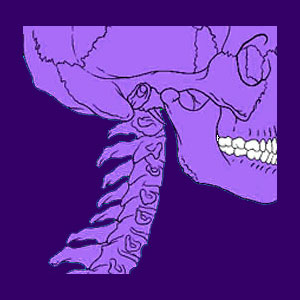
Osteomalacia is a disease characterized by weak, soft or brittle bones in adults. In children, this condition is known by the name rickets. Bone density issues can be very serious and as with many other related disorders, such as osteoporosis, the best treatment is often simple prevention. Once the condition exists, treatment may be too little, too late.
This essay details weak bone conditions that are caused by abnormalities in the process of creating new bone cells. We will discuss the consequences of weak and soft bones and how these problems might create dorsal pain conditions.
Osteomalacia Causes
Weak bones are caused by a deficiency of calcium or vitamin D. Certain vitamins and minerals are necessary for the production of new strong bone cells. If the body is lacking in one or more of these ingredients, bones will be weak and easily prone to fracture.
Calcium is most often consumed in dairy foods, green leafy vegetables and nuts. Vitamin D is added to milk in many parts of the world, but is also available from exposure to natural sunlight.
Weak bones can also be the result of several diseases, most notably kidney, liver and digestive disorders. Low levels of phosphorous can also bring on osteomalacia symptoms. The condition is far more common in women than in men and is seen in less developed areas of the world more than in industrialized nations.
Symptoms of Weak Bones
The patient may have mild to severe manifestations of bone density issues. Pain in the bones and joints is common. Fatigue is virtually universal and muscular soreness is usually experienced in large areas of the anatomy.
Severe patient cases might display skeletal changes, such as bent or malformed bones. This is most common in the upper leg and pelvis. In some instances, weak bones might cause or contribute to various forms of abnormal spinal curvature, such as hyperlordosis, hyperkyphosis or scoliosis.
Fractures are common and the patient might experience compression fractures in the spine or joints simply due to the weight of their body. Obesity will compound this problem, often creating the ideal circumstances for multiple fractures and even spinal instability.
Treatment for Osteomalacia
Weak bones can be diagnosed by specialized blood tests or a bone density test. Treatment is usually conservative and highly effective.
Dietary treatment is the most commonly utilized modality. Supplements of calcium, phosphorous and vitamin D will help alleviate the condition over time in most patients.
People with weak bones due to a disease must be very careful to have their bone density monitored regularly, often for life. Preventative care for serious cases of low bone density is vital to preserve health and physical functionality.

Weak Bones Prevention Tactics
A healthy diet will prevent all forms of bone density issues in most people. If you have some health concern that might lead to a bone density problem, make sure you follow your doctor’s dietary advice to the letter.
People who avoid the sun, or wear clothing that covers their entire body, must take special care as well. Burkas, or other traditional conservative dress, will prevent the sun from generating vitamin D in your skin. Taking dietary supplements would be advised in these instances.
Consult with your doctor to learn more about the benefits and methods of preventing bone density problems at any age.