
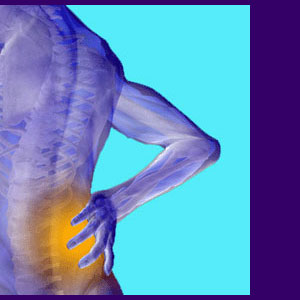
Oxygen deprivation back pain is the result of decreased cellular oxygenation. Every nerve and muscle cell requires oxygen in order to function properly. When the oxygen supply is reduced, some degree of symptoms will start almost immediately. Oxygen deprivation is also called ischemia.
The theory of ischemia as the source of chronic pain has long been championed by Dr. John Sarno, but has received support from many other noted physicians, as well. Research science has conclusively demonstrated evidence of decreased oxygenation in the nuclei of cells harvested from people with chronic pain, such as fibromyalgia.
Of course, the effects of decreased oxygen on cells is well known and can be demonstrated in the muscles of endurance athletes. When pushed to perform without adequate oxygen, muscle cells will rebel violently, often going into complete spasm. Nerve cells lose structural integrity and will not work well, if at all. Other types of cells will have similar negative reactions. Interestingly, different varieties of cells each have their own tolerance for the time it takes for oxygen deprivation to elicit symptoms, as well as the degree of decreased oxygenation which must occur.
This dialog examines the theory of oxygen depletion as a source of back and neck pain symptoms.
Nerve Cell Oxygen Deprivation
Nerves are extremely sensitive to changes in cellular oxygen levels. A slight reduction can cause tingling, weakness, pain or numbness in the area served by that nerve. There are several different types of nerves and each will respond uniquely to reduced cellular oxygen levels:
Motor nerves are often affected by oxygen deprivation by sending a reduced signal to the muscles they control. This will cause muscular weakness or trembling.
Sensory nerves that are deprived of oxygen will not transmit proper sensory signals to the brain. The effects can produce numbness, tingling or pain. The pain might be severe if the oxygen deprivation is substantial.
Autonomic nerves affected by low oxygen levels can be very problematic. These nerves control many vital processes which are necessary for our survival. Reduction in their ability to function can cause serious consequences for our internal organs and bodily systems.
Nerve cell oxygen deprivation can cause many types of back pain, including sciatica or other types of regional neuropathies.

Muscular Oxygen Deprivation Back Pain
All of the muscles in our bodies need oxygen in order to function. If they are deprived of the necessary concentration of oxygen, they will not be able to metabolize waste products, such as lactic acid. This mild reduction in oxygen will cause a dull aching pain in a large area. This is very common of chronic lower back muscle pain.
If the oxygen deprivation is escalated, the pain will become acute. This is the stuff that nightmares are made of. Severe oxygen deprivation will cause muscles to go into spasm. This can be one of the most painful experiences of a person’s life. A back muscle spasm can become so tight that it can actually impinge on a nerve and may cause neurological effects in the innervated area of the anatomy.
Severe spasms can also enact all sorts of other horrific changes in the anatomy, including actual tendon or ligament tears due to uncontrollable powerful contractions and a loss of lordosis in the neck or lower back.
Causes of Oxygen Deprivation Back Pain
Oxygen deprivation back pain is common for both physically-induced and psychologically-motivated syndromes. Muscular back pain is often the result when the blood supply to the back muscles is reduced due to an injury. This is the reason why heat and exercise help muscle pain. Both of these treatments increase blood flow and oxygen concentration to the affected area.
Smoking is a contributor to poor muscular oxygenation. Cigarette smoke contains carbon monoxide and the ingredients in cigarettes interfere with the body’s ability to circulate oxygen.
Psychological back pain is often the result of a purposeful reduction in oxygen supply, due to some form of emotional stress. The subconscious mind can influence the autonomic system, which controls the diameter of the blood vessels and can therefore institute ischemia is any region of the body. Therefore, the amount of oxygen sent to any given area can be increased, or reduced, by the subconscious mind.
Why would the subconscious mind reduce cellular oxygen supply? To cause us physical pain. This process is a maladapted defense mechanism designed to protect our conscious minds from painful emotional issues. If we are focused on the physical pain, the emotional issues will stay hidden.

Oxygen Deprivation Back Pain Solution
Most physical causes of oxygen deprivation can be easily cured. Heat, exercise and massage are all excellent ways to increase oxygen to the painful area. They will speed the healing process and eliminate poisonous waste products from the muscle cells.
Psychological back pain is more complicated. Knowledge therapy is the only proven treatment for this type of pain. No physical modality can cure a psychologically caused pain condition, although many symptomatic modalities might provide transient relief.
A good mental state is important regardless of what type of oxygen deprivation back pain you might have. Picture the blood flowing to the affected muscles and nerves, increasing the concentration of oxygen going to the painful cells. You might be amazed at how well this type of cognitive exercise can work. The power of the mind is so strong. It can cause pain, but it can also certainly cure it.
We expand our coverage of oxygen deprivation back pain and many other health consequences of the insidious ischemic process throughout our proprietary Cure Back Pain Forever Program. If you want to end ischemic and regain good health, this is the only program you will ever need!
Back Pain > Tension Myositis Syndrome > Oxygen Deprivation Back Pain