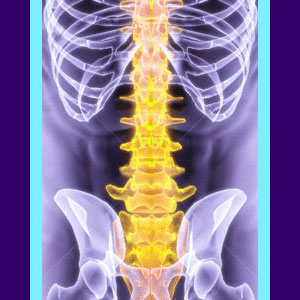
Spinal cord stimulation (SCS) is an FDA approved method of pain control also known as neurostimulation therapy. This treatment for back pain is a type of electrotherapy that sends an electric current directly into the source of the pain. Unlike other forms of electrotherapy, this treatment involves a minor surgical procedure used to implant the delivery device subdermally.
This surgical aspect takes SCS to entirely new level compared to TENS, both in potential effectiveness, as well as risk factor. The treatment can be placed in immediate proximity of nerve symptoms, possibly increasing effectiveness compared to transdermal TENS. But, the internal placement of the device can create the ideal circumstances for scar tissue, nerve damage, infection or implant rejection.
How Does Spinal Cord Stimulation Work?
SCS works by using an electric current to disrupt painful nerve signals. Nerve signals are electrical in nature and the current generated by the SCS unit breaks up the body’s pain messages before they can reach the brain. Basically, the nerve receptors in the brain do not receive the pain signals or receive an altered signal.
The underlying symptom-inducing condition is still there, but the pain signals never register. Therefore, the patient feels symptomatic relief. In essence, SCS does not cure anything. It merely runs interference on the neurological signals which tell the brain something is wrong in the anatomy.
Spinal Cord Stimulation Procedure
The doctor implants thin wires either directly into the painful area near the spine (SCS), or just under the surface of the skin near the source of pain (peripheral nerve field stimulation or PNFS). Wire implantation is accomplished using a thin needle and no surgical incision is needed.
A tiny battery powered electric current generator is also implanted under the skin, usually in the buttocks or abdomen. The wires are connected to the generator under the skin so that the entire mechanism is hidden and protected. The generator can be adjusted by the doctor or patient, to provide a variable degree of current for pain relief. These adjustments can be done without disturbing the generator, using a remote control unit. The entire procedure takes about an hour and the patient can go home immediately.
The patient will first undergo a test procedure to determine if the system will work well for them. Generally, patients who have shown good results from other forms of electrotherapy get the best results from SCS. During the test, the wires are implanted but the generator remains outside the body. This will allow the patient a trial period to determine if the system is working for them before undergoing the surgical implantation of the generator unit. During this trial period, the generator unit will run a series of different programs to determine what type of stimulation will work best for the patient.
Spinal Cord Stimulation Results
50% to 70% of patients who have screened positively for this treatment report substantial back pain relief. Very few patients enjoy complete symptomatic relief, but the majority report a significant reduction in the severity of their pain.
About half of the patients who report positive initial results from SCS suffer a relapse in their pain within a year. This shows that the pain relieving qualities may not be long-term in many patients and the entire feeling of pain relief might actually be the result of a placebo reaction.
Symptomatic recurrence or escalation may also elude to a nonstructural source of pain, since the mind can alter psychogenic symptoms in reaction to treatment attempts. Basically, the mind will merely move the symptoms elsewhere to avoid the symptom blocking mechanism of SCS.
Warnings on Neurostimulation Therapy
This treatment involves the use of electric current. It should not be used by pregnant or lactating women. People with a cardiac pacemaker are advised to avoid any form of electrotherapy. Patients with a history of epilepsy or other seizure disorder should not use SCS as a pain treatment method.
There are possible surgical complications involved in this procedure, including continued bleeding, infection and immune system rejection of the apparatus. Always be sure to discuss your complete health history with your physician before considering any type of electrotherapy.
Synopsis of Spinal Cord Stimulation Therapy
SCS is a great alternative therapy to traditional surgery for back pain conditions which have not responded well to conservative treatment. It is also a good option for patients who have endured unsuccessful spinal surgery. The procedure is high tech, statistically safe and relatively effective in long-term studies.
Many patients develop an immunity to the pain relieving effects of this treatment. As time goes by, the effectiveness of the pain relief might be significantly reduced.
The best part of SCS is that it allows many patients to lessen their dependency on prescription pain drugs. It may be smart to learn more about SCS before considering any traditional and fully invasive back surgery. The risks of spinal cord stimulation are low and the results are deemed generally acceptable.