
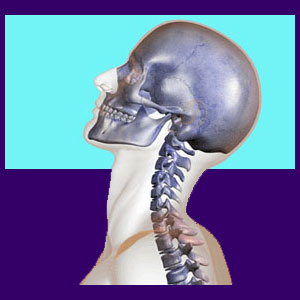
Whiplash neck pain is a common result of car accidents and other varieties of serious trauma. This type of neck injury usually occurs when someone is hit in the rear of their car, especially when they are stopped. When a car is struck from the back, the force is transmitted into the vehicle and the people inside the vehicle.
If a passenger is not wearing their seat belt, this force will cause their body to move forward. Usually, they smash into the dashboard or windshield. A large enough degree of force can even cause them to be ejected from the vehicle.
If the person is wearing their seat belt, then they are secured to the seat. They will not be thrown forward, but their head will. This is how a whiplash neck injury occurs. Neck and upper back injuries can be very painful, debilitating and long lasting.
This essay takes a critical look at the management of neck traumas deemed to be created by whiplash.
Whiplash Injury Mechanism
The body is secured into the seat and the head is thrown forward. This motion causes hyperflexion of the neck. This means that the sudden forward motion of the head is past the comfortable and normal range of neck movement.
If the impact is great, or vehicular headrests are not properly positioned, the head can snap back from the hyperflexion and suffer from hyperextension, as well. This means the backwards motion of the head is beyond the normal and comfortable rearward range of motion for the neck. This traumatic movement can cause several different types of damage in the neck and upper back:
Neck muscle pain is the most common cause of whiplash pain. Muscles and ligaments in the neck and upper back can be overstretched or torn. Muscular neck injury is painful, but should not lead to a chronic problem.
Fractured vertebrae occur when the actual bones or spinal facet joints are injured. The bone can be broken or simply displaced from its normal position in the spine. This type of injury would come from a large force generated from a substantial impact.
Herniated discs are a fairly common result of vehicular whiplash. The sudden force of the impact can cause discs to suffer from huge instantaneous pressure. This force can cause the disc to bulge or rupture.
Pinched cervical nerves can occur with disc, muscle or bone injuries. A spinal nerve root can be compressed from the traumatic change to the normal spinal anatomy.

Whiplash Neck Pain Symptoms
Below are listed are some of the typical effects of whiplash. Symptoms may ensue immediately or may be time-delayed, starting hours or even days later in some cases:
Neck pain or upper back pain can be created by general trauma or focused acute injury to the regions.
Headaches in the rear or side of the head are commonplace and will usually resolve without any professional care. Some cases of whiplash might involve concussions, so professional evaluation is always recommended.
Difficulty hearing can result from some forms of neck injury, as well as from the loud noise often associated with car accidents.
Difficulty swallowing can also result from whiplash injury, since inflammation might affect the patency of the esophagus.
Neck stiffness is very common from a rear impact injury and might persist for days or even weeks.
The tension that builds up in the muscles from stress can also resemble a whiplash injury. The emotional trauma of being in an accident will often make the muscles sore and tight. Headaches are a common side effect of emotional stress. In order to separate psychological back pain from whiplash injuries, an full exam from a physician is recommended.
Whiplash Neck Pain Problems
Ice and heat are good treatments for many common muscular injuries, including whiplash neck pain. Ice is recommended for the first 48 hours, followed by wet heat. The ice will reduce swelling and provide minor pain relief. The heat will increase circulation to the injury and speed up the healing process.

Pain management drugs might be advised for severe injuries. Over the counter analgesics are less risky than powerful prescription drugs. Muscle relaxants are often prescribed to prevent neck muscle spasms.
Severe neck injuries often require physical therapy to rehabilitate fully. Some injuries are treated with the use of a orthotic cervical collar.
The pain of a whiplash injury will usually fade long before the mental trauma of the accident. If the whiplash pain continues, make sure to have a thorough examination. This will rule out disk or bone injuries that might cause chronic pain.
If no obvious physical reasons are found, yet the pain continues, I would recommend considering knowledge therapy as a possible means of discovering lingering emotional traumas which may be perpetuating the symptomatic expression.