
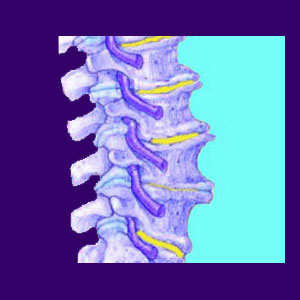
Compressive neuropathy is the scientific medical name for a pinched nerve. A pinched nerve is when a spinal nerve root is compressed in the central canal or within a foraminal opening, as it leaves the vertebral column. Nerves can also become compressed almost anywhere they travel in the body. Nerve compression, by definition, is any condition that causes a nerve to suffer a lost or reduced signal. In some instances, the same diagnosis is made using alternative wording, including compressive neuralgia or compressive radiculopathy.
This essay defines neurological compression syndromes and provides alternate explanations for identical symptoms to occur, even without the occurrence of any structural neurological impingement.
Compressive Neuropathy Effects
Spinal nerves are actually bundles of all the different types of neurological cells. Sensory, motor and autonomic tissues are typically grouped together to form large nerves. As these main nerves branch out into peripheral nerves in the body, nerve tissue types might become more individualized. Depending on the extent and location of the nerve compression, one or more of these processes might be affected:
Sensation may be reduced or altered. Patients may have pain, pins and needles, paresthesia or may be completely numb.
Motor ability might be affected in the areas of the body served by the compressed tissue. Foot drop is a good example of a lumbar compression syndrome often seen in association with sciatica and low back pain.
Autonomic process activity affected by a compressive neuralgia may have dire consequences. The autonomic processes are vital to preserve life and once altered, may create difficult to diagnose health issues with virtually any of the body’s many internal systems.

Origins of Nerve Compression
A nerve may become structurally compressed by any of the following conditions:
Herniated discs can pinch off a spinal nerve root as it exits the spinal column. Typically this involves a paracentral herniation encroaching on the foraminal space, although this can also involve a far lateral disc bulge compressing the root extraforaminally.
Spinal stenosis can compress the actual spinal cord or any of the spinal nerve roots. Central stenosis in the lower lumbar spine can compress a single root in the cauda equina or multiple roots.
Muscle spasm can clamp down on a nerve causing sudden and severe symptoms. This can affect nerves almost anywhere in the body, such as in the example of thoracic outlet syndrome.
Piriformis syndrome can compress the sciatic nerve under the piriformis muscle. This is yet another example of muscular compression which takes place outside the spinal anatomy.
Spondylolisthesis can cause compression of multiple spinal nerves when vertebral misalignment is severe. Both retrolisthesis and anterolisthesis can produce similar results.
Tension myositis syndrome can cause reduced nerve signal through oxygen deprivation. This is a logical explanation for pinched nerve symptoms which exist despite no actual structural impingement.
Sciatica is often the direct effect of lumbar spinal nerve compression. Remember, sciatica is a symptom of another source process, not a diagnosis unto itself. This is a very common misconception.
Facet syndrome can compress a nerve due to degenerated vertebral bones and osteophyte formation.
Arthritis in the spine can cause bone spurs to form and enact a stenotic effect in the central canal or in the neuroforaminal spaces.

Compressive Neuropathy Considerations
There are obviously many potential causes of nerve compression. There are also many cases of idiopathic compression, in which the reason for the reduction of nerve signal is unknown. These instances are often textbook examples of psychological back pain using oxygen deprivation as the weapon against ultra-sensitive nerve tissue. A small reduction in the cellular oxygen supply to a nerve will affect it immediately.
Make sure to have a thorough examination before beginning any treatment for a pinched nerve. Nerve compression is one of the most difficult of all spinal problems to diagnose accurately. Keep this in mind, in case you have a condition that defies all treatment. This type of persistent dorsalgia syndrome might really be a case of misdiagnosed back pain.