Pain management is a medical specialty which has taken a firm hold within the back pain treatment sector. This entrenchment has taken place despite that fact that medical school traditionally teaches doctors never to treat pain as an entity unto itself, but instead to treat the root cause of pain.
Holistic pain relief modalities, such as acupuncture, reiki and massage are definitely far less risky than traditional back pain drugs. However, these therapies have not found popular acceptance, when compared to the most powerful pills that are available from physicians. However, we still recommend that patients carefully consider investigating these healthier ways of controlling their pain, while they search for real and lasting cures for their conditions.
There are holistic and pharmaceutical methods of managing pain for affected patients and this article will concentrate on the latter.
Managing Back Pain
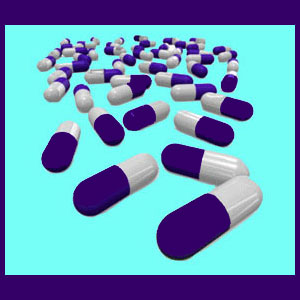
Pharmaceutical products for back pain management come in 2 varieties. There are over the counter drugs and prescription drugs. Many types of drugs are available to treat all types of back ache and related neurological and muscular symptoms. Read more about using prescription drugs for back pain.
Back pain pills are an easy treatment for both doctors and patients and are sometimes handed out like candy. This is an extremely risky practice which has led to horrible mental and physical health issues in some patients, including dependency, sickness and even death. However, with huge financial incentives offered by the big pharmaceutical companies, doctors can literally get rich by doing nothing more than simply writing scripts and handing out pills all day long. It sickens me to the core, especially when patients are not adequately informed of the very real dangers involved in taking these chemical compounds.
Most back pain drugs fall into 2 categories, pain/inflammation relief and muscle relaxants. Please read more detailed information about back pain medicine.
Alcohol is a popular self-treatment option. Before even considering this path, please read our article titled alcoholism and back pain.
Common Substances for Managing Back Pain
Naproxen
Acetaminophen
Ibuprofen
Flexeril
OxyContin
Aspirin
Percocet
Skelaxin
Soma
Tramadol
Vicodin
The Vioxx Scare
Celebrex (Celecoxib) is often prescribed for bad back pain, especially when it suspected as being caused by osteoarthritis. It is the last remaining drug of it’s type, that used to include Vioxx (rofecoxib) and Bextra (valdecoxib).
Vioxx and Bextra have been withdrawn from the market because studies have shown that they increased the risk of heart attack, stroke and serious stomach and intestinal bleeding.
Celebrex is still available, but its label is being revised to highlight the potential for these risks. If you are taking Celebrex, talk to your doctor about whether you should continue or switch to another medication.
Glucosamine and Chondroitin for Pain Management?
Glucosamine and chondroitin are not drugs. They occur naturally in our bodies and are important for proper cartilage and joint function. Chondroitin helps to form and replace collagen in our cartilage. Glucosamine works alongside chondroitin to help in the production of collagen.
I have used these natural compounds for a few years during the height of my back problems. Despite my belief in their potential benefits, I really never saw any proof that they helped me at all. I did notice the expensive price of quality glucosamine and chondroitin supplements though. I have not taken them, nor missed them, in years.
Warnings for Pain Management Drugs
I think the point of this article is obvious, but I will say it anyway. Drugs are basically bad for you. They have known and unknown side effects and can be addictive. It is unwise to become dependent on any form of symptomatic treatment for chronic back pain. Dependency on pain management drugs is one of the worst addictions to overcome. Read more on the dangers of prescription pain killers.
If you need pharmaceutical pain relief, use it wisely and only short term. Remember, these drugs will only control your symptoms and will do nothing at all to cure your back problem. If you rely on these drugs for long-term relief, you may become addicted. The only thing worse than having bad back pain is having bad back pain and being a drug addict, as well.
Cymbalta presents some unique risks, as this is an anti-depressant medication that has transitioned into an analgesic role for treating chronic pain.

Pain Management Editorial
A few comments on the pain management specialty:
Medical school strictly teaches that doctors should never just treat pain, but instead they should work towards uncovering the source of the pain and resolving that underlying causative process. This is a basic medical philosophy.
Pain management goes completely against this teaching and that is the least of the harm it has done to the modern healthcare system. It is the availability of such easy drug access which has heightened our controlled substance problems worldwide. It is the ease of achieving lasting prescriptions to drugs that has causes so many cases of secondary gain back pain.
I do not like symptom management. I understand that the specialty was created for particular purposes; mainly, to help those with severe and intractable pain which can not be cured, due to special circumstances, such as terminal disease, dire injury or horrific burns. While some pain management doctors do work with these types of deserving and needy cases, the majority have switched off (copped out) to write RX scripts for normal people whom they got addicted to pain pills.
Is this an unpopular opinion?
Sure, among these doctors, since the truth hurts. Patients also don’t like to hear this, since they still want their pills.
I would love to see a major overhaul in the pain management system and far more accountability from care providers. This is a really good place to start fixing a serious problem. Now, from the patient’s point of view, I completely understand the almost reckless desire to find some measure of relief, at all costs. I really do.
Just be careful, even if your pills come from a doctor.
Make sure to talk to your physician about the risk of these pills and what other options you may be able to explore, which would free you from them ASAP.
Learn more about the many risks of back pain management.
I wrote an entire book about the risks of drug therapies, as well as the most effectual alternatives called The Pharmaceutical Trap. The book is an important part of our proprietary pain relief program.