
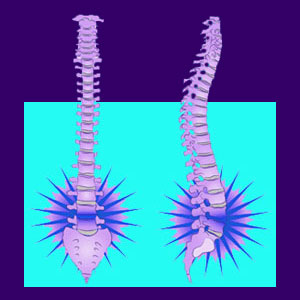
A broken back can be a severe injury which should always receive immediate expert medical attention. The spine is comprised of 24 individual vertebral bones, as well as the sacrum and the coccyx. Any of these spinal bones can fracture, causing what is known as a broken spine or back.
Damage to the spinal bones does not signify definite injury to the spinal cord or nerves. Only a qualified doctor can properly diagnose the extent of spinal damage and possible injury to the neurological spinal tissues. Minor hairline fractures or chips might not require anything more than simple medical monitoring to be sure they heal completely. Moderate fractures may require symptomatic care, while significant and extreme fractures may even require surgical intervention to preserve the integrity of the vertebral column.
This article defines fractures in the backbone and differentiates these types of trauma from more serious neurological impairments, like spinal cord and spinal nerve injury.
What is a Broken Back?
A broken back is defined as one or more broken, fractured or subluxated vertebral bones. The condition has a wide range of health implications and possible symptoms. An accurate diagnosis is very important for any patient with a suspected vertebral fracture. The patient should insist on an MRI or CT scan if there is any indication of potential neurological damage at the injured vertebral level.
Being that the vertebrae are complex in structure, fractures can occur in any of the joints, the vertebral body itself or the small fins on the dorsal surface, known as processes. Pain is the most common symptom of a significant fracture. Common indicators of spinal nerve damage are weakness, tingling or numbness in the affected location or in radiating patterns following innervation pathways.

Causes of a Broken Spine
Osteoporosis is a bone density condition which can cause vertebral fractures without the patient suffering any trauma. The actual weight of the body is sometimes all that is required to cause a broken spinal bone. A single vertebral stress fracture might go completely unnoticed by the patient and their doctor. Many of these minor cracks are normal parts of the aging process for some patients with low bone density and can be completely asymptomatic.
Fractures can also come from any significant trauma such a fall, car accident act of violence or sports injury. Once again, vertebral bones might be chipped or fractured in a minor and almost insignificant way. These types of injuries are usually not serious and will heal completely with minor medical supervision.
Serious breaks or multiple breaks can cause huge problems for the patient. Besides threatening the actual spinal cord or spinal nerves, extreme trauma often causes spinal instability. This condition almost always requires surgical intervention to stabilize the spine and ensure no further damage to sensitive tissues.
Broken Back and Spinal Cord Injury
Even major trauma to the spine does not guarantee that the patient will suffer a spinal cord injury. Many patients break multiple vertebral bones and do not injure their spinal cord at all. It is possible to actually bruise or injure the spinal cord in a minor way. This type of damage might heal completely with time or might leave some permanent neurological effects.
It is possible to experience a complete spinal cord injury from any significant vertebral break. This condition is most often disastrous for a patient, since it results in paralysis below the injured spinal level. In rare circumstances, it is possible to damage or even sever the spinal cord without suffering any broken or fractured vertebral bones at all. When injury occurs from a traumatic event, neurological effects may or may not present themselves immediately.

Broken Back Conclusions
A damaged spine should always be taken seriously. Even minor damage can cause complications which can threaten a patient’s future functionality. Minor spinal damage should heal well and leave the patient fully capable of living life to the fullest.
Make sure to learn how a proper rehabilitation program can help you to regain lost function from many spinal fractures. Spinal cord injuries are the worst type of damaged spinal structure. An injured cord can and will definitely change a patient’s life drastically.
Not all spinal cord damage is permanent and some function can be regained, even in cases of significant injury. To learn more about regeneration from cord injuries, I highly recommend seeking out a specialist in spinal neurology.