
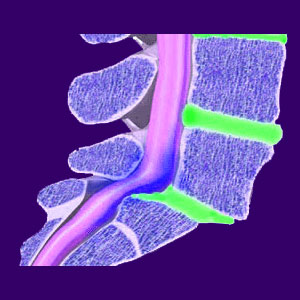
Low bone density is a possible early warning sign of osteoporosis. Bone density is a measure of the mineral content in the bones and is also an indicator of overall skeletal strength. Solid, well formed bones are more resistant to the degenerative changes associated with age and activity, as well as being better prepared to handle traumatic injury. Weak bones are prone to developing fractures and more advanced forms of arthritic change.
Regulating bone density should begin early in life. Children and young adults who are taught good habits for health will typically maintain these practices for life and will demonstrate stronger bones as they get older.
This dissertation examines how diminished bone density can create big health problems if left unchecked. Once full osteoporosis develops, even the most dramatic treatment might fall short of preventing major negative consequences on overall wellness.
Low Bone Density Conditions
Bone density testing should be a normal part of any adult health maintenance program. Reduced bone density can be caused by a variety of reasons including genetic predisposition, gender, poor athletic condition, inadequate diet or problematic health status.
The most common cause of low density is a combination of poor diet and a lack of skeletal loading exercise. Luckily, it is never too late to correct a bone density condition and properly directed treatment can create strong and healthy bones for most patients at any age.
Treatment for Reduced Bone Density
Decreased skeletal structure density is a preventable condition which will never have the chance to develop if a healthy lifestyle is maintained. Most vigorous forms of exercise will help to create strong bones.
A balanced diet including recommended amounts of calcium, magnesium and vitamin D, is crucial for maintaining proper bone density.

Patients who are overweight should go on a strict diet, since obesity will increase the risk of fractures for those with bone density issues.
Smoking will also encourage low density and should be stopped for a great number of additional health reasons.
For patients with specific health conditions causing their low density, it is important to follow the exact treatment instructions provided by your doctor.
Low Bone Density Statistics
Women are more likely to suffer from low density beginning right around the time of menopause. Some people have a genetic disposition to developing weak and brittle bones. These individuals should be extra careful about maintaining a healthy diet and exercise program throughout life.
Bone density testing should be performed regularly after middle age to spot potential problems before they cause serious effects. Remember that low density is not in itself symptomatic and most cases will not present themselves until it is too late to prevent bodily damage from occurring. Just because bones are getting weaker and more susceptible to injury does not mean that the patients will be aware of this silent and asymptomatic process. This is why preventative maintenance care practices are the absolutely key to stopping osteoporosis before it can get a firm grip.
Additional information about building strong and healthy bones is available from your doctor or qualified nutritionist.