
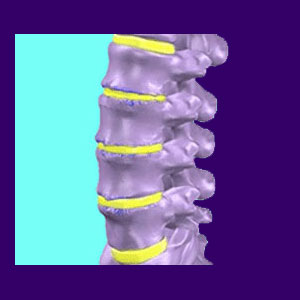
Bone spurs, also commonly known as osteophytes, are caused by degenerative osteoarthritis in the spine. Of all the conditions blamed for causing back or neck pain, arthritis is certainly one of the most common. This is because it is basically inherent to the human condition and will virtually always be found in the lumbar and/or cervical regions of adults.
An osteophyte is a bony growth which occurs in the spinal joints due to wear and tear associated with normal aging. There are also certain genetic and lifestyle risks for developing spurs. Most people will develop osteoarthritis in the spine, but only some will suffer pain or associated symptoms. There are several things you can do to prevent painful spinal arthritis from causing you to suffer as you age. However, there is absolutely no cure for the arthritic process.
The scope of this article will detail preventative measures which may be effective for minimizing the occurrence of problematic bone spurs in or on the spine.
Bone Spurs and Facet Joint Syndrome
Osteophytes are one of the main causes of suspected facet joint syndrome. Spurs can build up in the spinal facet joints as the protective mechanisms in these joints degenerate. Loss of cartilage and synovial fluid in the joints creates friction which can lead to bone to bone contact. This vertebral rubbing often results in osteophyte formation.
Despite this documented process, osteophytes are still a mostly harmless and asymptomatic condition in the majority of patients. When one becomes problematic, it is typically because it forms in a region directly in the path of joint movement. In essence, it becomes a blockage to normal functionality of the joint itself. In other circumstances, a spur might impinge on a neurological structure, enacting a pinched nerve through foraminal stenosis or even impinging on the spinal cord in central spinal stenosis cases.

Preventing Spur Formation
Here are some basic guidelines which can help to prevent osteophytes from forming in the first place. Preventing arthritic problems is far easier than treating them once they occur:
Eat a healthy and balanced diet. Make sure to get enough calcium. Vitamin D is needed for healthy joints. Vitamin C is important to build cartilage. Think about adding glucosamine and chondroitin to your diet.
Maintain a healthy weight. Obesity increases the chances for painful osteoarthritis by up to 400%. Obesity is also a real killer and has far worse effects than arthritic escalation.
Be careful with back injuries. Work to rehabilitate injuries through proper stretching and exercise. Old injuries can be a good place for painful osteoarthrits to start.
Try to avoid repetitive stress. It is known that constant wear and tear on a given joint or area will increase the risk of painful osteoarthritis later in life. This is an unavoidable part of some types of athletic activities and manual labor jobs.
Avoiding Bone Spur-Related Back Pain
If you maintain a healthy lifestyle and a healthy body, odds are you will not develop terrible arthritis pain. There is a good chance that you might still develop some osteoarthritis as you get older, but most mild to moderate cases are not generally real concerns. Arthritis is completely normal and does not have to cause you any significant pain.

Keep your body limber and flexible and try not to punish your joints with repetitive tasks. Use proper motion when exercising and lifting to avoid injuries. Most of us know what is healthy for our bodies. Unfortunately, some of us simply choose to ignore it.
Remember that the arthritic processes are an expected part of aging. However, considerable or chronic pain are not integral parts of most osteoarthritis conditions. If you want to learn more about preventing arthritic change or minimizing arthritic symptoms, talk to your doctor about things you can do to feel great as you get older.