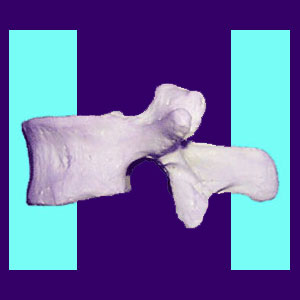
Fractured vertebrae occur when one or more of the actual spinal bones break or crack. The vertebral components can fracture just like any other bone in the body. The most common areas which suffer fractures are the various processes on the dorsal side of the vertebral structure. Fractures can occur in the spinous process or transverse process, as well as in the pedicle, facet joints or lamina. Far less common are fractures to the more solid vertebral body itself, although these can certainly occur.
Fractures often occur due to traumatic back injury, but can also come about from aging, low bone density and obesity, often in combination with one another.
This essay explains everything there is to know about fractures in the spine, including the symptoms they might create and how they should be managed medically.
Causes of Vertebral Fracture
Below are listed some of the major causes and contributors to vertebral fractures:
Osteoporosis and low bone density can cause the vertebrae to weaken and fracture, especially under the stress of obesity or impact.
Trauma can cause vertebrae to break. Car accidents and falls are the most common forms of trauma leading to fractured vertebrae.
Metastatic cancer can weaken the spine and cause vertebral fracture.
Certain congenital or developmental conditions might predispose vertebrae to break more easily than in a typical spinal anatomy.

Symptoms of Fractured Vertebrae
Many vertebral fractures do not produce any back pain symptoms. This is especially true for compression fractures caused by osteoporosis. However, other fractures are symptomatic and may enact any of the following expressions:
Pain can be localized or radiating and the affected region will be sore to the touch. Movement of the area is likely to be acutely painful.
Stiffness will be localized and possibly widespread, especially within 24 to 48 hours after the injury.
Possible visual deformity might exist in the spine. Fracture might create a bump on the spine due to inflammation or bone displacement.
Serious fractures can create neurological effects, such as pinched nerves, paralysis or even death.
Diagnosis of Fractured Vertebrae
Physical examination will often raise suspicion of a fractured vertebra. Diagnostic imaging will be used to confirm a fracture and determine the age and extent of the fracture.
Most fractures will show up on spinal x-rays. However, minor fractures and certain types of fractures might be harder to identify on these antiquated imaging studies.
Up to 60% of vertebral compression fractures are never diagnosed. A CT scan or MRI is a better tool to accurately diagnose some fractures, as well as ascertain their possible neurological effects.
Treatment of Vertebral Fracture
Most fracture injuries only require conservative care, such as offered by the following modalities.
Pain management drugs can be used to reduce symptoms and help the patient enjoy greater physical functionality.
Dietary supplements, such as calcium, will be given to promote bone healing.
A back brace might be used to limit spinal motion in the affected area.
Physical therapy will be used to rehabilitate the region once the bone has healed.
Back surgery is sometimes required to correct a serious fracture or multiple fractures. The procedures most commonly used are vertebroplasty and kyphoplasty. These procedures will usually be utilized prevent further anatomical damage due to spinal instability.

Fractured Vertebrae Tips
Most vertebral fractures are not overly serious. It sounds very bad to have a broken bone in your spine, but usually the break will heal all by itself. Of course, in cases of serious trauma, multiple levels of vertebral fracture can cause very serious health effects.
Remember that one of the main causes of vertebral fracture is jumping from a height and landing on your heels. If you find it necessary to jump or fall from a height, try not to land straight legged on your heels. This produces a sharp shock to the spine.
The most preventable type of fracture is certainly the compression fractures seen in obese patients with low bone density. Obesity is a terrible epidemic and the single greatest health risk facing humans in most developed countries today. Talk to your doctor if you are drastically overweight or suffer bone density concerns. It is never too late to prevent significant pain and injury with a bit of healthy living.