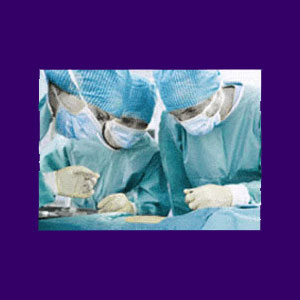
Sciatica surgery is a general description for any invasive procedure designed to alleviate the actual cause of symptoms. Remember that true sciatica is not a condition unto itself; it is merely a symptom of an underlying causative spinal condition. In order for the surgery to be effective, the diagnosis of the actual cause of sciatic nerve pain must be correct.
Sciatica is a complicated enigma to diagnose, since there are so many possible symptomatic sources in the spine, as well as other possible causes of pseudosciatica not residing within the confines of the vertebral column.
Surgical intervention is a serious topic, since all procedures have risks and may involve significant complications. Surgery should never be taken lightly, as once undertaken, it can never be undone. Therefore, this dissertation examines the risk and benefit ratio of invasive sciatica care in order to help patients decide if an operation is right for their needs.
Sciatica Surgery Techniques
The appropriate surgical procedure for each patient will be determined by the underlying condition suspected of causing the pain. Common sources of a painful sciatic nerve are herniated discs, spinal arthritis and degenerative disc disease. However, there are many other spinal causations demonstrated in less common scenarios, including scoliosis, lordosis, kyphosis, spondylolisthesis and others.
Operations vary greatly for each causative condition, so it is critical to make sure the diagnosis reflects the actual reason for pain. Many unsuccessful surgical procedures are not often due to negligence, but instead are usually the results of diagnostic error.
Almost every spinal procedure can be performed in multiple ways. It is always advisable to seek out a surgeon who can perform a minimally invasive version of the prescribed procedure. Less invasive operations will heal faster and inflict far less damage on healthy back tissue.

Liabilities of Sciatica Surgery
Physically-induced back pain generally responds well to physical treatment. If conservative measures have failed, there is a very good chance that surgery will also demonstrate poor curative results. Unfortunately, surgery can also cause permanent damage and reduce the patient’s functionality for the rest of their lives. If your enduring sciatica condition has shown a treatment-resistant characteristic, always be especially wary of surgical correction, unless you 100% sure that the diagnosis is accurate.
Spinal surgery is a risky proposition. Many patients suffer poor results postoperatively which often make their symptoms worse. This may be due to iatrogenic error in one form or another (misdiagnosis, negligence or simply poor surgical technique) or can result due to idiopathic reasons.
Risk factors also include anesthetic-related complications, excessive blood loss, spinal fluid leaks, spinal nerve damage, scar tissue formation and death. Yes, a larger than expected percentage of patients actually die during surgery or as a direct result of complications suffered in surgery.
Overall, while curative statistics vary by procedure and diagnosis, they are not good. Before even thinking seriously about sciatica surgery, be sure to research your other options and understand the many risks.
Surgery for Sciatica
Sciatica is one of the most feared of all spinal problems. The reasons for this well deserved foul reputation are easy to recognize. Sciatica is one of the longest lasting and most stubborn of all back pain syndromes. The symptoms can be debilitating, yet change and morph on a regular basis, making an accurate diagnosis difficult. Add up these factors and you have one truly horrific nightmare of a pain syndrome to contend with.

I suffered from sciatica symptoms accompanying my lower back pain for 18 long years. My sciatic nerve symptoms were blamed on a combination of my lumbar degenerative disc disease and my 2 herniated discs. It always seemed strange to me that the symptoms changed so often and did not generally correspond to the clinical symptoms expected from my diagnosed conditions. This did not seem to bother my doctors at all, who were prepared to treat the condition as disc-related, regardless of an atypical symptomatic profile.
Surgery was recommended to me by a few doctors, who were not coincidentally, mostly surgeons (no surprise here). I never gave in to this recommendation, but still managed to have many good years without pain, despite the most dire medical prognoses.