An aching neck can be dull and nagging, chronic and deeply-felt or acute and intense. Neck pain is the second most common patient complaint in the dorsalgia sector, beaten out narrowly by low back ache. Neck pain is typically traced to some spinal issue in the cervical region, although these diagnostic theories are often unenlightened, incorrect and based on completely antiquated and outdated theories of pain. In other cases, symptoms are blamed on some soft tissue pathology affecting the neck muscles, tendons or ligaments.
Remember that in order to recover from neck pain 100%, you must become active in your on treatment and that begins with learning all you can about your particular diagnosed condition. It is for this reason that patients are urged to speak openly with their physicians and ask lots of questions about their specific type of pain and why it exists.
Neck Ache Symptoms
Neck pain can be experienced alone or in combination with a variety of other symptoms. The most common of these associated syndromes include:
- Headaches
- Upper back pain
- Shoulder pain
- Tingling in the arms or hands
- Numbness in the arms or hands
- Weakness in the arms or hands
If radiating or neurological symptoms exist, the possibility of a pinched nerve is often the first working diagnostic theory. This compressive neuropathy condition is usually blamed on a herniated disc or arthritis condition at the affected vertebral level. In some cases, this speculation may be correct, but should always be confirmed via diagnostic imaging evaluation.
Remember that herniations, degenerative disc disease and arthritis in the spine are almost universal in the cervical regions of all adults.
Neurological evaluation is the second crucial step in ascertaining the validity of a compressive neuropathy issue. Just because a structural abnormality is present does not mean it is inherently causative. In fact, most abnormalities are innocent of blame and nerve conduction studies, as well as symptomatic correlation, will prove it.

A final thought suggests that thoracic outlet syndrome might be a diagnostic consideration for some patients with pinched nerve symptoms in the lower cervical and upper thoracic regions.
Aching Neck Diagnostic Process
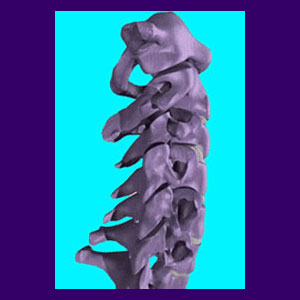
Most doctors will order diagnostic testing for any severe or chronic neck ache condition. Diagnosing neck pain is usually accomplished via MRI testing, although in some cases, preliminary x-rays may be taken first. Spinal MRI allows incredibly detailed views of the cervical spine and is very likely to show degenerative disc disease and a herniated disc or two (typically at C5/C6, C6/C7 or C7/T1), regardless of whether or not the person in affected by neck pain. Osteoarthritis is almost sure to be present in some form and osteophytes are so typical in the cervical region.
All of these structural abnormalities are likely to be targeted as the sources of pain, although in some cases, this structural model of back pain is incorrect. Remember that research has clearly shown little, if any, link between these common spinal conditions and the occurrence of symptoms, so be wary of the diagnosis of severe pain being attributed to normal spinal degeneration.
Aching Neck Evaluation
Remember that compressed nerves in the neck, regardless of the suspected source, rarely occur, despite mild to moderate evidence of foraminal stenosis. If a pinched nerve root does exist, the symptoms will include objective numbness and weakness in the correlating muscles of the shoulder, arm, hand or fingers. Lasting pain is not a usual consequence of lasting nerve impingement, since the nerve will stop signaling completely.
Spinal stenosis is very common in the cervical spine, especially as patients age into advanced years. Once again, this condition is so extremely typical to find and is rarely the source of pain in mild forms. In more significant cases, stenosis can become problematic and may elicit a variety of symptoms virtually anywhere in the anatomy, below the affected vertebral level, making proper diagnosis particularly difficult for some patients.