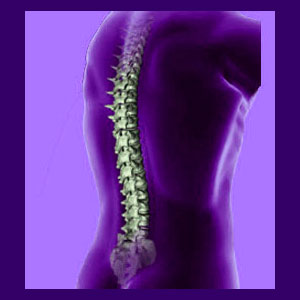
Adult scoliosis describes a condition when a physically mature person with no history of abnormal spinal curvature develops an atypical side-to-side curve later in life. This form of scoliosis is actually a symptom of another underlying condition, rather than a condition in itself. As with all forms of mild to moderate scoliosis, adult curvatures are rarely painful.
In conservative cases, treatment is usually not needed, but it is always wise to have the condition monitored by a doctor. Regardless of the age of onset, there is always the chance that an atypical curvature can become severe and symptomatic. While these represent the gross minority of adult cases, they do happen.
In these circumstances, treatment may not only be indicated, but may actually become a matter of life or death. Unfortunately, the variety of effective treatments is extremely narrow, with drastically invasive spinal surgery being the general rule.
This discussion provides a thorough investigation of mature scoliosis and why it occurs.
Types of Adult Scoliosis
Most cases of adult abnormal spinal curvature are idiopathic in nature. This means that the exact cause is not known. There can be several possible contributing factors, but no definitive true reason for the condition to exist. There are other forms detailed below that have an obvious or suspected causation:
Secondary curvature is a common form of adult spinal curve. The scoliosis is linked directly to another diagnosed degenerative spinal condition. The most common cause of secondary scoliosis is advanced arthritis in the spine. The second most common cause is osteoporosis. Other contributing factors include osteomalacia, abnormal lordosis or kyphosis and the universality of degenerative disc disease.
Paralytic curvature is a spinal deformity caused by paralyzed spinal and back muscles. This form of scoliosis is common for patients with severe spinal cord injuries.
Myopathic curvature is scoliosis caused by muscles that are not functioning properly and causing the spine to lose symmetrical balance. This form of spinal curve is normally caused by such diseases as Polio, Muscular Dystrophy and Cerebral Palsy.

Developed Scoliosis Assistance
It is ironic that even children can be diagnosed with adult scoliosis. Children often fall prey to spinal cord injuries, neuromuscular conditions or degenerative diseases that can affect their spines just like an adult. Treatment in younger people with adult curvatures is generally more effective and may even be accomplished nonsurgically in some instances using scoliotic back braces if the spine is still growing.
Mild to moderate scoliosis is rarely a problem. The underlying cause however, might become a big problem. Make sure to have both the spinal curvature and the causative condition monitored by a qualified doctor. In cases of osteoporosis, the overall spinal stability might be compromised and the scoliosis may just provide early warning of impending functional disaster.
Experts say to relax and do not get stressed over minor scoliosis. If you allow it to become a problem in your mind, I can assure you it will become a pain in your body. Simply view it as a part of life and a component of aging. If your curvature is serious and requires treatment, always pursue the process with knowledge and an understanding of the specific circumstances of your diagnosis. The path towards resolving significant curvatures can be treacherous, so you must stay involved and interested in your own care. Remember, it is your life and one mistake could change it forever or even end it abruptly. Be careful.