
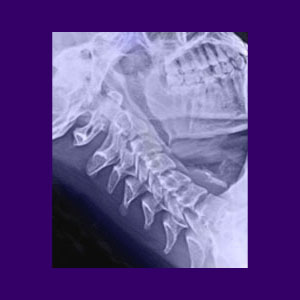
Degenerative neck pain is occasionally the result of anatomical changes in the cervical spinal column. The aging process produces certain distinct and universal alterations in many spinal structures, including the vertebral bones and intervertebral discs. As we get older, it is normal and expected that these structures will deteriorate due to time, activity and usage. While every human demonstrates the physical evidence of these degenerative changes, only a very small minority of people experience actual neck pain or related neurological symptoms as a result of them.
This discussion focuses on explaining the occurrence of neck pain as a direct result of cervical spinal deterioration.
Degenerative Neck Pain Conditions
The most common degenerative changes affecting the cervical region are:
Herniated discs are a common mid to low cervical condition. Discs in the neck are subject to constant movement and pressure and are far more likely to herniate than thoracic discs.
Spinal arthritis is very common in the neck. Arthritic changes in the spinal joints are a normal part of the aging process, but rarely cause serious or lasting pain.
Degenerative disc disease is a scary sounding, but usually harmless part of getting older. Most adults experience significant degenerative disc changes in the cervical spine by the age of 30 and many much younger. DDD does increase the chances of suffering a herniation in affected disc levels.
Facet joint syndrome is also common in the cervical spine. This is yet another condition which is found in many patients middle aged or older, but is mostly asymptomatic. Even in symptomatic cases, the pain is typically localized and minor, not the type of severe and widespread symptoms often mistakenly blamed on it in misdiagnosed patients.

Degenerative Neck Pain Scapegoats
Most of these degenerative changes in the spine are a harmless part of aging. However, the back pain industry has vilified these conditions by blaming them for originating symptoms in some patients, even though there is little proof that they have anything at all to do with the pain. On the contrary, more and more studies are being completed showing that the overwhelming numbers of patients with these conditions experience no pain, regardless of the clinical severity of the spinal structural degeneration.
When actual symptoms are compared against expected symptoms, there is often a great discrepancy. This is a major indicator of a misdiagnosis and is the main reason why treatment for chronic neck pain is often a dismal failure.
Degenerative Neck Pain Circumstances
Injuries to the cervical region can accelerate degenerative changes. There are some patients who do experience actual physical symptoms from advanced forms of spinal degeneration. However, these instances are rare and represent the exception, rather than the rule.
Some patients with long-term cervical pain are actually experiencing unrecognized psychosomatic neck pain, not actual degenerative back pain due to structural changes. For this scenario, investigating knowledge therapy is the usually best course of action.
Remember that physical neck pain should respond well to appropriate medical treatment. If you have chronic unresolved neck pain, you must consider that your pain might not be due to normal spinal degeneration at all, but rather a completely undiscovered different structural or psychoemotional source.