
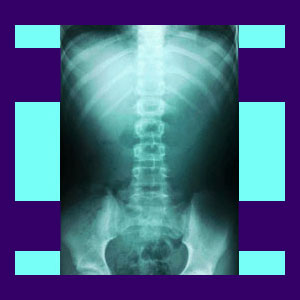
Disc desiccation is another term used virtually interchangeably for degenerative disc disease. Actually, desiccation is the very first step in the DDD process, when discs first start to show the physical changes associated with the spinal aging progression. It should be noted that although desiccation is blamed for sourcing or contributing to many varieties of back pain, the condition is far more scapegoat than villain.
Additionally, desiccation is completely universal and normal in the cervical and lumbar spinal regions and is expected to occur. So, do not be surprised if this term is used to describe a few of the intervertebral discs in your spine; L4/L5 and L5/S1 for sure!
This essay explains the universal occurrence of spinal disc dehydration and its potential effects, including the generation of painful symptoms.
Disc Desiccation Definition
Desiccation simply means to lose water. The intervertebral discs are composed mostly of water, as is most of our anatomy. As discs age, it is normal for them to lose moisture content, as well as their ability to retain moisture. This results in the clear signs of degenerative disc disease so often seen on diagnostic imaging technologies like spinal MRI. The disc will shrink, losing mass, height and circumference in most cases.
DDD contributes to the spinal arthritic processes which are also virtually universal in the lumbar and cervical spinal regions, mainly the production of osteophytes and degenerative endplate changes. Dehydrated discs will bulge or herniate easier, but are less likely to create symptomatic protrusions like those which may occur from sudden traumatic injury to a healthy and well-hydrated disc.

Disc Dehydration Facts
It must be noted that degenerative disc disease is not a condition of the elderly, as the name implies. In fact, we all have the signs of it by 30 and many of us have it in our teens. I was diagnosed with moderate lumbar degenerative disc disease at 16.
Lifestyle and genetic patterns will make some people more or less susceptible to the physical changes, but ironically do not have any correlation to the occurrence of back pain. While this surprises some doctors, it should be common knowledge, since DDD is rarely symptomatic and normal spinal degeneration is not proven to be linked to chronic back ache, although this is a typical mistaken belief.
Disc Desiccation Suggestions
I get your letters every day: “I see the disc on my MRI and it is black. It is desiccation, I know it!” Yes, you are right, it is desiccation and it is normal. We all have it. The doctor who took the test has it. All the people walking around you right now have it. It is not a source of pain, except in incredibly rare instances.
If your pain has been blamed partially or completely on degenerative disc disease, I urge you to reconsider the high probability of misdiagnosis. If not, you will likely never find relief, despite care, since the treatments received will do nothing except work on fixing something which is not broken: Your spine.
Even when the rare case of extreme degeneration occurs and does require treatment, no conservative approach will change the condition of the disc. Only spinal surgery can do this and in many cases, the changes enacted by an operation are not positive.
Be careful when it comes to undergoing any surgical fix for disc deterioration.