
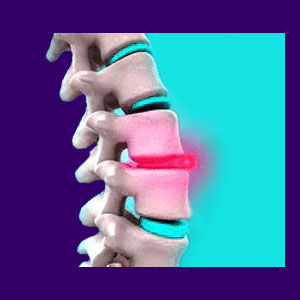
Discogenic pain is a condition in which the discomfort is theorized to come from the actual intervertebral discs. Spinal discs do not have any internal nerves or blood vessels, so how can they possibly cause pain? The answer is speculative, but may provide a possible explanation for some unresolved back pain conditions. It is vital to know that the idea of discogenic symptoms is not universally accepted in the medical sector. While some doctors embrace it, others see no evidence that it exists as a mechanism for pain in many diagnosed patients.
This narrative investigates the occurrence of discogenic symptoms that are theorized to originate inside the spinal disc structure.
Causes of Discogenic Pain
There are 2 primary causes of what might be considered discogenic pain, as well as other contributing factors.
The background contributing factors include degenerative disc disease and prolapsed discs. DDD causes the discs to dehydrate and lose height. This is a normal part of the aging process and there is considerable debate whether the condition is symptomatic at all. Regardless, the drying out of the disc provides an increased chance for the outer wall to rupture.
Herniated discs occur when the disc bulges from pressure that is applied to the outer fibrous disc wall. This pressure might also cause a rupture in the disc wall. If the disc wall suffers an annular tear, there is a good chance that some of the nucleus of the disc will leak out. This material is made of a protein that is believed to be an irritant to surrounding nerve tissue.
The protein will be absorbed by the body slowly, over several years. This is the speculative reason why some disc pain goes away with the passage of time. The protein is absorbed and the disc extrusion will calcify. Realistically, this is not true discogenic pain, since the pain is caused by chemical radiculitis and not experienced by the disc itself.

True disc pain is thought to come from the cartilaginous end plates of the discs. These plates are the areas that secure the disc to the vertebrae, as well as provide nourishment to the disc tissue. What exactly causes this area to experience pain is not completely understood. There are tiny nerves that regulate the function of the discs and these are theorized to be the source of discomfort in many patients.
Some doctors believe that these microscopic nerves can grow into the disc structure through small holes in the outer wall and once again, suffer pain due to the irritating effects of the disc nucleus protein TNF-Alpha.
Disc-Related Pain Syndromes
Most disc-related symptoms can be successfully treated with pain management drugs, epidural injections or some form of natural pain relief. One of the best treatments for chemical radiculitis which occurs outside the disc structure is certainly a series of flushing injections to dilute the irritating proteins and remove them from sensitive neurological tissue.
As always, using drugs is less desirable than holistic medicine ractices, due to the considerable dangers of prescription medications.
Back surgery is sometimes considered, but should always be a final option. There are far too many risks involved in spinal surgery to warrant these procedures for anything short of a necessity.
The good news is that most discogenic pain goes away all by itself.
Time heals all wounds is the old saying, and in the case of disc pain, it is usually the truth.