
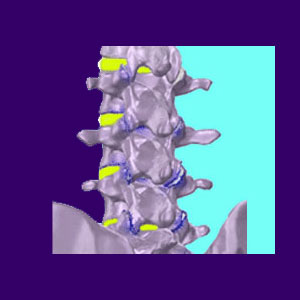
Facet rhizotomy is a minimally invasive surgical procedure performed to relieve confirmed neurological pain that is caused by facet joint syndrome. This operation is used primarily on patients who have received positive results from several rounds of epidural injections into the facet joint. The fact that the injections relieved the symptoms gives the doctor a strong indication that the pain is indeed being caused by the facet joints and not some other structural concern.
It must be noted that the structural changes associated with facet syndrome are virtually universal as people age. Only a tiny percentage of people experience pain from these normal degenerative and arthritic processes. In some instances, the symptoms are unfairly traced to the facet joints, helping to explain the less than auspicious results offered by many treatment options, including this very procedure.
Facet Rhizotomy Procedure
The patient is given a local anesthetic to numb the treatment area. The doctor inserts a needle or thin catheter into the area where the small sensory nerves meet the affected facet joint. This needle should always be viewed with fluoroscopy in order to provide the most accurate treatment results.
An electrical current will be sent through the needle to make sure that it is in the correct proximity to the affected nerve. The catheter contains a tiny electrode that is heated up using radiofrequency waves. This heat stuns or kills the nerve endings, blocking the pain in the joint. The procedure takes between 30 to 60 minutes to complete and the patient can return home almost immediately.
There are a 2 main varieties of radiofrequency waves, steady and pulse. Steady waves simply heat the area till the doctor feels that the nerve has been sufficiently silenced. Pulse waves are used in very sensitive areas, such as the neck. These waves are emitted in highly concentrated bursts.
The damage to surrounding nerves is minimized with the usage of pulse wave technology. This is a vital consideration, since other tissues in proximity to the treated area may suffer unwanted side effects, including vascular concerns or permanent nerve damage in tissues which were not meant to be treated.

Dangers of Facet Joint Rhizotomy
The procedure might be minor, but it is still a variety of back surgery and does have some inherent risks. There is the chance for infection, continued bleeding or damage to other spinal nerves. There is also the chance of an unsuccessful outcome and continuing pain.
This surgical approach offers moderately successful curative results, although often, the relief is short-lived. Postoperative risks are few, since this is an outpatient procedure which requires no special rehabilitation. Most patients will know very quickly if the procedure worked for them or not. If the technique is effective, patients might have to undergo regular procedures in order to maintain a state of diminished symptomology. If the procedure fails, then the patient is sent back to the beginning in their quest to find some measure of effectual pain management.
Facet Rhizotomy Opinions
The rhizotomy spinal procedure is another of the high-tech minimally invasive alternatives to traditional surgery. Therefore, it is a good option for those patients who have decided on a surgical route. The down side to this surgery is that the results only last 6 to 12 months on average. However, it is still a good choice for controlling pain in stubborn cases of facet joint syndrome.
The procedure has a very low risk factor and has acceptable statistics for relieving confirmed cases of facet joint pain. The procedure is worth a try, since more invasive operations can always be performed if the rhizotomy is not successful. Better yet, if multiple rounds of temporary treatment all bring good relief, then the odds of permanently resolving the pain by severing the nerves increases dramatically. In these instances, a few temporary facet joint nerve ablation procedures will act as trials for a more permanent nerve destroying technique.
Learn more about other forms of rhizotomy.