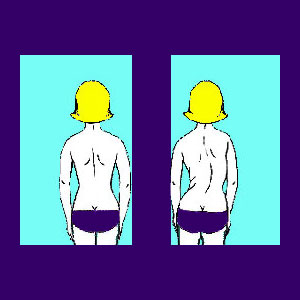
Juvenile scoliosis is perhaps the very worst type of this common idiopathic spinal curvature condition. The juvenile variety of side-to-side curvature occurs between the ages of 3 and 10 and has the highest incidence of severe symptomology among all forms of scoliosis. Juvenile scoliotic formation often require aggressive brace therapy and some cases even warrant early or eventual spinal surgery to stabilize and correct severe curvature abnormalities.
This commentary profiles the particular version of atypical spinal curvature that usually begins during early childhood.
Juvenile Type Scoliosis Concerns
Since juvenile spinal curvature occurs so young, the chances are that it might reach a very severe stage, since the spine still has many years of growth left. The earlier onset occurs, the worse the condition has the potential to become for the young patient.
Scoliosis is a condition which stabilizes as the spine matures, so the earlier the disorder develops, the greater the chances for it to enact significant changes in the spinal anatomy and produce potentially serious health consequences.
Not every case of juvenile curvature is problematic and some may keep themselves in check without formal treatment. However, the majority of children with this condition do require bracing and some even must undergo one or more scoliosis surgeries during their childhoods or young adult years.

Juvenile Scoliosis Treatment
The earlier the condition is diagnosed, the better the selected scoliosis treatment generally works. Many young people with scoliosis will be required to wear a back brace for many years, in an effort to prevent the curvature from growing progressively more dramatic.
The worst and fastest developing scoliosis conditions may require surgery while the child is still growing. This is a worst case scenario, since most doctors prefer to put off any surgical correction until the spine is mature or nearly mature. This is understandable, since a growing spine is prone to redeveloping the original curvature and the entire treatment process must begin anew.
Juvenile Scoliosis Conclusions
Juvenile spinal curvature can be a real health concern. It is crucial that all affected children receive early and constant monitoring of their condition from a specialist in scoliosis syndromes.
With scoliosis brace technology getting better every year, many cases can be resolved or at least halted from getting worse without surgery. There are many new types of braces which also allow the child to live a more normal and fulfilling life than the old fashioned bulky metal braces of years past. Make sure to look into all the options for bracing and talk to more than one doctor before deciding on the best method for your child.
If surgery is suggested, be sure to get more than one opinion before acquiescing to any type of potentially dangerous and invasive care. Spinal fusion remains the only viable invasive treatment for scoliosis and this approach to care is fraught with significant risks and frequently experienced complications.
Remember to always keep the psychology of scoliosis in mind when caring for any child, since the emotional effects of the condition can prove far more damaging than the physical ones in the long run.