
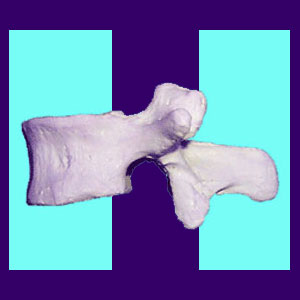
Kyphoplasty is a minimally invasive back surgery procedure that can be performed either under local or general anesthetic. The procedure is similar to vertebroplasty, but is more extensive in its scope and applications. This vertebral repair procedure is used to correct spinal fractures when a loss of spinal stability is demonstrated in one or more levels or when the actual vertebra has completely collapsed.
Vertebral breakage can result from traumatic injury in any patient. However, they are most commonly found in elderly patients in the form of compression fractures. Many of these simply occur due to a loss of bone density (typically from osteoporosis) or advanced spinal degeneration.
Severe vertebral fractures can enact serious health effects, including spinal instability, paralysis and even death in rare instances.
This discussion provides insight to vertebral repair surgeries that can be used to restore form and function to the skeletal bones in the spine.
Kyphoplasty Procedure
This vertebral repair procedure is performed through a small incision in the back. The orthopedic surgeon views the area to be treated under live X-ray for improved accuracy with the procedural steps.
First, a balloon catheter is inserted into the fracture. The catheter is positioned carefully into the area that has collapsed. The catheter is then inflated using sterile liquid. This inflation re-creates the anatomical space that was lost by the collapsed vertebra.
After this space has been created, the catheter is carefully removed, leaving the open space. A needle is inserted into the open cavity. This open area is now filled with special cement called polymethylmethacrylate acrylic cement or PMMA. This cement hardens quickly, providing spinal stability in the fractured and collapsed level almost immediately. The needle is withdrawn and the incision closed.
Most patients can return home shortly after the operation, although some may be kept overnight for observation. This is particularly true for senior patients or those with significant pre-existing health concerns.

Risks of Surgical Vertebral Repair
This procedure involves the standard back surgery risks and potential complications, such as bleeding or infection. There is also increased chance of nerve damage from usage of the inflatable catheter.
There are specific risks in this procedure that involve the PMMA cement. This material is not approved by the FDA. So far, no substance has passed federal safety testing for injection into a vertebral bone. There is a moderate risk of leakage of the cement, prior to it hardening. There is a greater chance of this occurring with this procedure than with vertebroplasty, since the area to be filled is larger. If it does leak, it can compress the spinal nerves, causing serious neurological problems.
Once the cement comes in contact with nerve tissue, effects will be very difficult to treat and the patient may suffer lasting functional impairment. It is also possible for the cement to get into the circulatory system, causing heart or lung problems, or even death.
Kyphoplasty Overview
This is an excellent minimally invasive back surgery procedure for correcting serious vertebral fractures. The success rate is close to 90%. This procedure is most often used when the fracture is very large and has caused the vertebrae to collapse. For less extensive fractures, vertebroplasty may be a better option. Obviously, consider all spinal surgeries as a last resort and make sure to research the procedure and surgeon carefully.
Minor vertebral fractures typically do not enact enough significant health risk to warrant any treatment at all. As long as no instability exists and all neurological tissue is sound, then simply waiting for the vertebra to heal itself may be the ideal course of action.
It may be difficult to find a surgeon who performs this technique in some areas. It is not universally accepted as a viable treatment option and some care providers are hesitant to work with the PMMA cement due to the obvious legal liabilities involved.