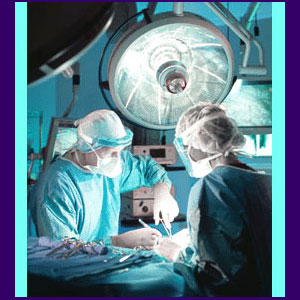
Minimally invasive back surgery is a gigantic step forward in operative medical technique. Traditionally, back surgery was one of the most grueling and damaging surgical procedures a patient could endure. Now, through the utilization of cutting-edge technology, patients can undergo many back and spine operations in a whole new way. These updated versions of traditional back surgeries allow for great precision, faster healing and less damage to healthy tissue.
Virtually all forms of spinal operations have minimally invasive counterparts. If you are currently researching surgical intervention for back ache or are actually scheduled for an operation, be sure to discuss procedural options with your surgeon. It is always advised to undergo the least invasive method of care which will successfully resolve your problematic condition.
This guide helps patients to better understand the value and advantages of minimally invasive surgical interventions for back pain.
What is Minimally Invasive Back Surgery?
Minimally invasive means that the surgery will use the smallest incisions, the least amount of tissue dissection and involve the smallest amount of damage to healthy tissues that is deemed possible, while still successfully achieving the surgical objective.
Traditional spinal surgery uses large open incisions and multiple levels of tissue and muscle dissection to view the spine. Modern, less invasive procedures use a combination of surgical and technological innovations to repair spinal conditions without having to disturb surrounding healthy tissue.
There are many ways of achieving a minimally invasive approach, many of which are detailed below.

Minimally Invasive Back Surgery Procedures
Individual procedures will all utilize different types of actual surgical techniques. However, most minimally invasive procedures have certain common traits which distinguish them from traditional open operations. Here are some of the attributes and practices of a minimally invasive approach to care:
The surgeon will not open up the back with a large incision. Instead, multiple small incisions will be made around the surgical site and the surgeon will insert hollow catheters into these incisions. Small and precise surgical tools will be inserted through these hollow catheters in order to perform the actual surgical procedure.
The surgeon will not have a direct view of the operation. Instead, the area is viewed using fluoroscopy (live x-ray ) and/or fiber optic technology. These high tech imaging devices allow an excellent high definition view of the procedure. Read more about endoscopic spine surgery.
Many procedures involve the use of laser, ultrasound, electricity or radio wave technology in order to accomplish the surgical goal. These treatments can often be administered using needles, thin wires or tiny incisions.
Some procedures can be done through the abdomen, eliminating the need to disturb any of the sensitive and complex musculature of the back.
Typically many of these types of techniques will be combined together for a truly minimally damaging procedure.
Minimally Invasive Spinal Surgery Benefits
Procedures that create less damage to healthy tissue will allow the patient to recover from back surgery much faster. Small surgical wounds heal much quicker than large open incisions. These smaller surgical wounds have a lessened chance for infection and the development of scar tissue. Of course, the patient will have less postoperative pain with smaller incisions and less muscular dissection.
All in all, the recovery time after a minimally invasive procedure is more comfortable, safer and much faster than with traditional open surgery.

Minimally Invasive Back Surgery Verdict
It is obvious that a minimally invasive procedure is preferable to traditional surgery, if it is an option. Some conditions still require traditional surgical techniques to be used. Shop around and research all your options before undergoing any spinal surgery. It is worth it to get the facts and explore the variables before committing to a procedure that will be more damaging to your body.
Most back surgeons stay current on the latest technologies and procedures used in these less invasive procedures. If your doctor is not ready to offer you a minimally invasive option, it is advisable to get a second opinion.
Sparing yourself the pain of a fully open surgical technique is great, but sparing yourself from the increased risk of scar tissue and nerve damage is better still.
One of the most common problems with open surgery is the muscle dissection which must be accomplished to reach the spine in traditional procedures. Simply by avoiding this one step, many patients can achieve far better results.
When combined with other minimally invasive back surgery techniques, the patient increases their all-around chances for a cure and will also be likely to recuperate faster and better.