Spinal neuralgia is a term used to describe pain or atypical symptoms experienced in the spinal nerves or nerve roots. The most famous examples of neurological spinal pain are cervical pinched nerve conditions and sciatica. Nerve pain can be a scary and torturous condition for the patient to endure. This is one of the most difficult conditions to accurately diagnose and there is considerable controversy concerning many nerve pain diagnoses. There are also a number of myths commonly accepted as fact, by patients and even by some doctors.
This essay helps to debunk the falsehoods of many pinched nerve diagnoses and clarify the true facts of chronic nerve pain syndromes.
Spinal Neuralgia
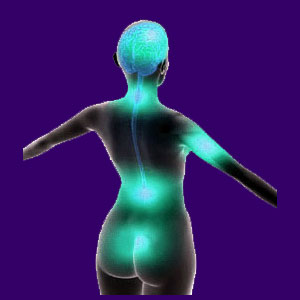
Spinal nerve pain is perhaps the worst type of suffering possible. The spinal cord is the main nerve conduit in the body and the nerves that branch off from it serve virtually the entire anatomy. These nerves are responsible for providing neurological messages from the brain to the body and from the body to the brain.
Nerve symptoms can affect the sensory perceptions, motor abilities or autonomic functions of any area in the body. Nerve symptoms can be very serious, especially when autonomic functions are disturbed. In fact, any neurological disturbance can cause severe reactions in the body which may be very difficult to diagnosis and even more challenging to effectively cure.
Being that the spinal nerves control so many other processes in the body, many seemingly compartmentalized health conditions actually have their origins in a neurological dysfunction in the vertebral column.
In this age of ever-increasing medical specialization, most experts in particular pain syndromes might not even consider the obvious role played by a pinched nerve or compressed spinal cord in the generation of symptoms throughout the body.

Nerve Pain Conclusions
Many structurally-motivated nerve pain conditions are relatively short lived and will be resolved without any medical treatment. Other neurological pain syndromes can be acute and require emergency intervention to prevent permanent nerve damage. This situation is best demonstrated in the example of cauda equina syndrome.
Still other pain syndromes become a chronic concern. One of the most common causes for these long lasting neurological symptoms may be oxygen deprivation as a regional process. This ischemic pain can affect muscles, ligaments and nerves, leading to debilitating symptoms which can last for years. Unfortunately, many doctors are still preoccupied with diagnosing structural abnormalities as the source of nerve symptoms, often despite a lack of evidence that they even exist. This practice has come under fire in recent years from many governing medical bodies which have warned their member physicians to adhere to diagnostic guidelines which have been revised to exclude structural issues as being implicated as the source of pain, unless verified.
Furthermore, treatment results from many surgical procedures, which do actually succeed in resolving the suspected compression, still do not provide pain relief. All this evidence, and more, adds up to account for a nonstructural causation as the true reason for many unresponsive neuropathy conditions.
Guidance on Spinal Neuralgia
If you have been diagnosed with nerve pain as the result of degenerative disc disease, herniated discs or spinal arthritis, be very careful. These scapegoat conditions are often blamed for pain they do not actually cause. In order to prevent yourself from suffering unnecessarily, here are some simple guidelines which may put you on the right track towards finding relief:
First, get involved in your own treatment. Learn about your diagnosis and research what symptoms a given condition should generate. If your symptoms do not match what is expected, then always consider that another cause of pain may exist, as well as, or instead of, your current diagnosis.
Next, always get multiple opinions, including at least one from a neurologist.
Finally, before seeking any treatment, learn about all your choices and understand the difference between ongoing care which relieves symptoms versus curative care which can resolve the actual compression issue.
I hope you find better results than most of us and I would love to hear what has worked for you when it comes to finding neuralgia relief.