
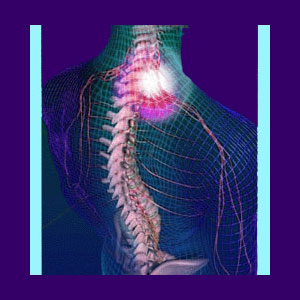
A neurologist is a highly specialized medical doctor who diagnoses and treats conditions affecting the nervous system. Neurology is a science with many areas of concentration. It is common for a neurological professional to have an extremely narrow focus to their practice. When it comes to nerve-related back pain, a neurological doctor is often the preferred care provider for many patients. However, it is not common knowledge that almost all varieties of back and neck pain can benefit from neurological evaluation. Remember, regardless of the diagnosis, in most cases of symptoms, the actual pain comes from nerve tissue, even when the causative mechanism may exist in the muscles or bones.
This dialog provides guidance on seeing a neurologist for back or neck pain.
Neurologist Training
A neurological doctor typically has 11 to 14 years of education and training in both general medicine, neurology and their individual specialized branch of nerve study. Most neurological professionals have an individual area in which they focus most of their practice.There are professionals who specialize in the brain and central nervous system. Other doctors specialize in peripheral nerves. Neurological doctors can also specialize in nerves contained in the autonomic system. Furthermore, there are deeper fields of specialization including: strokes, speech, sports-related, spinal, hand, epilepsy and other specific neurological diseases.
Of all medical care providers, the training needed to become a neurology provider is some of the most intensive.
Neurology Treatment
Neurological physicians most frequently believe that neuralgia comes from a physical structural source which can be treated by mechanical or chemical means.
Pain management drugs and back surgery are the 2 most common treatments provided by the majority of neurology caregivers.

Nerves are the most sensitive tissues contained in our bodies. They are also the cells that are most susceptible to oxygen deprivation pain. Neurological physicians were actually among the doctors who discovered the physical evidence left by ischemia in the nuclei of nerve cells. It is a shame that most practicing nerve specialists do not include ischemia in their list of common back pain diagnoses.
Relying on Neurology Providers
Sigmund Freud, the father of psychoanalysis, was a neurologist. This shows that at one time, neurological professionals did realize the connection between both the physical brain and the nervous system, as well as the emotional brain and the nervous system. It is a shame that this knowledge fell out of favor for generations.
However, mindbody medicine is making a strong comeback in recent years, with more and more medical and complementary caregivers acknowledging the constant interactions between the anatomy and the emotional self. These very same interactions are often causes, contributors, perpetrators and escalating mechanisms for back and neck pain.
Physical nerve problems can be the work of some injury, disease or degenerative process. However, other treatment-resistant cases of nerve-related pain are actually caused or perpetuated by simple psychologically-induced oxygen deprivation.
I highly recommend that back pain sufferers who have not found relief despite treatment, consider objective neurological evaluation. Regardless of whether a diagnosis has been proposed or not, nerve tests can help a patient to better understand what may and what may not be sourcing their symptoms. Up until recently, I have been seeing a neurology provider twice yearly, simply to monitor my spinal cord, due the number and severity of my many diagnosed structural issues.