
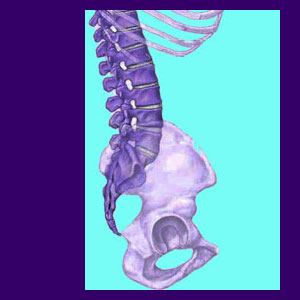
Pain in the tailbone is often a mystery to patients and doctors, since a majority of chronic sufferers do not have a history of significant injury to this lowest spinal region. The tailbone is also called the coccyx. It is the remains of the vestigial tail that existed in earlier species, prior to Homo Sapiens. Coccyx pain can be long lasting and debilitating. Pain in the coccyx is also called coccydynia or coccygodynia.
This essay examines the occurrence of coccyx symptoms, including the causes and locations of pain. If you have been suffering from unresponsive tailbone pain, then this guide will put you on the path towards lasting relief.
Causes of Coccydynia
The coccyx is more prominent in some people than in others. In women, the coccyx usually sticks out more, due to the difference in the female pelvis. The female design allows for easier passage of a baby during childbirth.
The most common cause of coccyx pain is due to a fall on the buttocks or lower back. The tailbone is sensitive to both bruising and fracture. A fracture in the coccyx can be extremely painful and difficult to positively diagnose in every case. Many people have reported this pain from slipping while getting in or out of a bath tub. This has happened to me a long time ago and I remember having pain in my tailbone for about a year!
Postpartum back pain often results from a coccyx injury suffered during the birthing process. The coccyx becomes more prone to movement as a woman gets closer to her delivery date. This is designed to allow an easier delivery of her baby. Sometimes the coccyx gets in the way of the birth and can be fractured.
Any trauma, such as a kick or an impact, can damage the coccyx.
Coccyx pain can also come from a variety of bone diseases or tumors.

Common Symptoms of Pain in the Tailbone
Regardless of theorized cause, most tailbone symptoms are strikingly similar in expression. Most patients report some or all of the following:
Pain when sitting or lying flat on their back is virtually universal.
Sciatica symptoms, such as tingling or numbness may be present in about 30% to 50% of affected people.
Pain might caused, worsened or relieved by bowel movements for many patients.
Pain during or after sexual intercourse is commonplace and may involve positional factors or emotional causation.
Treatment for Pain in the Tailbone
Some treatments for coccydynia conditions are typically identical to those utilized for general lower back pain. Conservative symptomatic treatment will be attempted first, with the hope that time alone will fix the pain problem. Here are the most common methods of care used:
Chiropractic uses manual adjustments to reduce painful symptoms.
Pain management drugs are the most common approach to extended care.
Physical therapy can help manage pain using holistic and positive exercise.
Epidural injections can be used in the base of the spine to decrease pain.
There are also special products designed for relieving coccyx pain. These consist mostly of special cushions, inflatable donuts or other products that relieve the pressure of sitting. These products can make living with a coccyx pain condition much easier, until a cure is found.
Surgery for Pain in the Tailbone
If conservative treatment fails, then coccyx surgery is a final option. Surgery for tailbone pain usually consists of removal of the entire coccyx. The tailbone has no real use and the body will not miss it once it is removed. The operation is serious however, and runs the usual risks associated with all spinal surgeries. At least this procedure has a good success rate for resolving pain in about 80% of coccyx pain sufferers. Warning, statistics also show that some of these patients eventually suffer a relapse of similar pain in a different nearby anatomical location, such as the lumbar spine or sacroiliac joint.

Pain in the Coccyx Summation
If you have injured your coccyx recently and are worried because the pain is constant, then you need to talk to your doctor to be sure the diagnosis is sound and there is nothing more serious going on inside which has not been found.
Statistically, it takes a long time for coccyx injuries to heal completely. Recuperation of up to a year is not uncommon for coccyx fractures and a few weeks or even months is reasonable for deep bone bruising.
Remember that there is symptomatic help if you need it, but try to limit your choices to those which will not compromise your overall health. Staying clear of drugs is wise for most patients. Instead, try holistic treatments whenever possible. Acupuncture, heat or ice may be just as effective without the risks of pharmaceutical treatment. Of course, for chronic coccyx symptoms which do not resolve and are unlikely to be structurally-motivated, many patients find success using alternative methods of care, such as knowledge therapy.