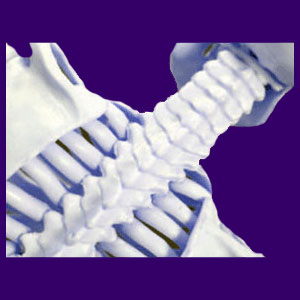
A quadriplegic is a person who has suffered spinal cord injury in the cervical levels of the vertebral column. These patients typically endure reduced or lost feeling and mobility in all four limbs and may also demonstrate many problematic concerns involving the internal organs and autonomic functions of the body.
Lower cervical spinal cord traumas may preserve some use of the arms and hands, which is a huge blessing. Upper cervical damage may prevent virtually any anatomical movement or sensation and may also play havoc with many of the vital life processes we normally take for granted. These are truly the most severe of all cord injuries.
This focused essay examines 4 limb paralysis conditions and the types of traumatic occurrences that may result in a quadriplegia state.
Complete Quadriplegia
Complete spinal cord injury occurs when the spinal cord is severed, crushed or otherwise damaged beyond hope. All neurological function is ended below the level of injury and all sensation and motor function is permanently disabled.
Lower level cervical injuries will produce complete paralysis in the legs, but will spare parts of the arms, the neck, head and many vital internal processes. Higher level cervical injuries are far more severe and can make the affected patient virtually helpless, unable to even breathe under their own power. Patients with upper cervical damage will require lifelong support systems to help their anatomies function during the most basic processes of life.
Partial Quadriplegic
Incomplete spinal cord injury creates a variable profile in every individual patient. Most patients have the ability to feel sensory perception in some areas of their bodies and might even have function in most internal systems, but can not walk or effectively use their legs and possibly their arms, as well. However, many symptomologies are possible and some patients might display very unusual neurological patterns which might be unique to their specific cases.
Basically, incomplete paralysis of the entire body will allow some feeling or movement, but will not usually allow the person to stand, walk or use their extremities normally.
Quadriplegia Concerns
Keeping healthy might be a real challenge for many people affected by 4 limb paralysis. Reduced or lost nerve functionality can have dire consequences for the patient, including minimal circulation of blood, especially in the lower body. This problem makes many patients prone to developing sores, thrombosis and more serious concerns, such as stroke or pulmonary embolism.
Disease and infectious processes can also take advantage of the weakened immune systems common to paralyzed patients. Pneumonia, septicemia and other potentially life threatening issues can develop rapidly and overwhelm many patients who do not seek treatment at the first sign of symptoms.
Make sure to do everything possible to keep up good preventative healthcare and always contact your doctor immediately if you experience any unusual symptoms.

Quadriplegia Challenges
Dealing with the substantial challenges of such a life-altering condition are physical and emotional burdens for any patient. However, with positive mental and emotional mindsets, there is little a tetraplegic patient can not accomplish. There are better options now than ever before for gainful employment, accessibility and social interactivity for persons with all manner of physical impairments.
There is also a host of organizational resources available, typically free of charge, to assist you in fulfilling all your goals in life. Technology has provided the tools necessary for transportation and life support. The human spirit has provided the will to overcome all obstacles.
For additional information about how to live your life to the fullest, despite a paralysis condition, contact your doctor or governmental disability resources office.