
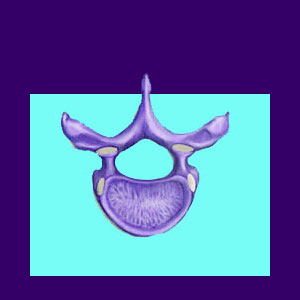
Vertebroplasty is a surgical procedure that is used to correct vertebral fractures. The types of breaks treated with this specific form of vertebral reconstruction are the most minor, usually involving cracks or small hollows formed into the spinal bones. Major fractures, compound fractures and large areas of unsupported bone are best treated with a better version of this technique called kyphoplasty or even full open surgical reduction and reinforcement.
Vertebral fracture is not always a serious event, although it sounds terrible. Many breaks in spinal bones actually do not require any treatment, since they will heal fine on their own. However, in cases where treatment is needed, or if spinal instability or neurological risk exists, then this surgical intervention may be one possible approach to indicated care.
This essay details spinal bone repair using one specific approach to minimally invasive care. We will explore the upsides and downsides to utilizing vertebral repair surgery to treat spinal fractures.
Vertebroplasty Procedure
Vertebral repair is a minimally invasive outpatient procedure that is virtually always performed under local anesthetic. The technique involves a small incision in the skin. The surgeon will view the fractured spinal bone under live X-ray to monitor progress of treatment during the operation.
A needle is inserted directly into the bone fracture. Special cement called PMMA (polymethylmethacrylate acrylic cement) is injected into the fractured vertebrae. The cement will harden in less than 15 minutes and provide immediate stability to the fracture. After the orthopedic surgeon is sure that the vertebrae has been adequately reinforced, the needle is withdrawn and the incision can be closed.
The technique takes less than 1 hour total and the patient can go home immediately. As long as no unforeseen complications occur, the patient should not suffer anything worse than a bit of soreness from the procedure.

Risks of Vertebral Repair Surgery
There are some standard risks of surgical complications, such as bleeding or infection. There are also specific back surgery risks in this procedure that involve the PMMA cement. This material has not been approved for this spinal application, since the risks of the substance are considerable.
There is a moderate risk of leakage of the cement, prior to it hardening. If it does leak, it can compress neurological tissues causing nerve damage. It is possible for the cement to enter a circulatory vessel, causing heart or lung problems, or even proving fatal in very rare instances. The PMMA may also enter the cerebral spinal fluid, also causing dire health effects.
As long as the cement does not cause any unwanted consequences, most patients recovery very well from the procedure and enjoy much faster resolution of any symptoms caused by the fracture than they would have if they allowed the vertebra to heal organically.
Vertebroplasty Conclusions
This is an excellent minimally invasive procedure for correcting minor vertebral fractures. The success rate is close to 90% for indicated cases and conditions. This procedure is most often used when the fracture is small and contained.
Obviously, consider all varieties of back surgery as a last resort and make sure to research the procedure and surgeon carefully to optimize the chances for a successful result. Some patients are recommended to undergo surgical correction of fractures unnecessarily.
If the break will heal fine naturally, then that is the preferred course. Surgical correction is best left for cases in which the patient, or the fracture, demonstrates unusual circumstances which will prevent typical and full resolution of the break. Additionally, some patients may have a difficult time accessing this procedure, due to the risks of the PMMA cement and the reluctance of care providers to deal with the legal liabilities of treatment.