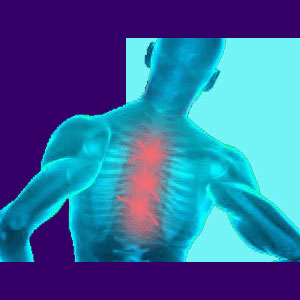
Acute middle back pain is usually the result of a sudden muscular injury or overexertion. In virtually all cases, the pain is preceded by some event that actually causes trauma or is perceived to cause injury. The mid back region is a very strong area of the spine which helps to provide structure and support to our torsos and protection for our internal organs. The thoracic spine is not an area which is prone to the same degenerative changes as the lower or upper regions. Therefore, many of the common causes of pain in these other areas are less likely to be experienced in the mid spinal region. However, there are some thoracic-specific structural issues which can be painful, as well as many nonstructural conditions which can also cause symptoms here, or virtually anywhere in the vertebral column.
This dialog covers the rare scenarios of acute middle back pain and their relevance.
Acute Mid Back Pain Explanations
Acute back pain is a symptom which comes on strong and sudden. Unless there has been obvious spinal trauma to the middle back, the most logical explanation for acute thoracic pain is a muscular injury.
The back muscles and ligaments are incredibly strong, but can suffer from overwork, strain or sprain. Tired or injured back muscles can be very sore, although these symptoms are usually short-lived and no cause for concern. Most cases of back muscle pain will resolve without treatment within a few days time.
Many spinal abnormalities can also exist in the thoracic spine, but these are less likely to cause symptoms than in the other spinal regions. The middle back simply does not have to endure the same wear and tear as experienced by the lumbar and cervical zones. Some of the regional-specific conditions which may affect the middle back include various forms of kyphosis and some problematic cases of scoliosis.

Mindbody Acute Middle Back Pain
The nerves, muscles and ligaments of the middle back might be less likely to develop symptoms due to some physical source in the spine, but they are still prone to experiencing severe psychological back pain. Pain that is caused by a psychoemotional source is extremely common and uses a process which can bring even a strong patient to their knees. Oxygen deprivation is the weapon most favored by mindbody pain syndromes.
Ischemia of the nerves and muscles in the mid back region can cause severe pain which comes and goes without any evidence of the process. It is for this reason that this common type of pain is rarely correctly diagnosed. In this case, the patient is often doomed to develop a chronic pain condition, as opposed to recovering from their acute mid back symptoms.
Many will endure misdiagnosis of some coincidental anatomical issue as the theorized source, while others may simply be told that the doctor does not know what is causing the torturous agony. Either way, the results of treatment will probably not be good, since the real nature of the symptoms was never correctly ascertained.
Acute Middle Back Pain Guidance
Any severe and unexplained back pain should be reported to your doctor to rule out serious health problems. Once serious possible causation can be eliminated, it is time to focus on the logical sources of most painful thoracic events.
Muscular pain often seems far worse than it actually is. The symptoms can be horrible one day and gone the next. It is crucial to rehabilitate all muscular injuries to prevent symptomatic recurrences or the build up of scar tissue. If you require assistance overcoming a back muscle injury, speak to your doctor or physical therapist for advice.
If your acute pain turns into a chronic concern, consider the possibility that your pain might actually have an emotional stress-related cause. Don’t forget that mindbody issues can be a very common source of chronic symptoms, regardless of where the pain actually resides.