
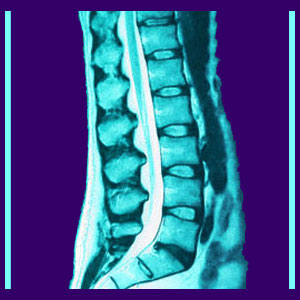
Hydromyelia is a pathological condition in which fluid builds up inside the actual spinal cord, potentially leading to severe and progressive deterioration of the cells which transmit nerve signals and life energy throughout the body. Unlike syringomyelia, the spinal cord is fully lined with ependymal cells, which at least help to insulate the neurological white cells in the spinal cord from the pressure enacted by the fluid.
Regardless, there are cases of the condition which are harmless and never create pain or disability and some which slowly debilitate the patient and may even lead to death. Fluid in the spinal cord may be caused by definitive and known reasons or may be idiopathic. This condition is difficult to predict in its effects, so regular monitoring by a specialist is always advised long-term.
This treatise details abnormal fluid accumulation inside the spinal cord, including its causes, symptoms and the treatments which might prove most useful for affected patients.
What is Hydromyelia?
The interior of the spinal cord is hollow, but should not retain fluid in a normal adult anatomy. In cases of fluid build up, cavities are formed inside the cord which sometimes grow and lengthen, possibly damaging the delicate spinal nerve tissues which compose the cord itself.
This atypical fluid accumulation condition may exist by itself, or in the presence of a spinal syrinx in select locations. When both disorders exist together, the diagnostic name syringohydromyelia is often used.
Statistically, syringomyelia conditions are worse symptomatically and progress to disabling degrees more often. This is good news for anyone who receives the diagnosis of hydromyelia, but bad news for those who must endure true syrinx formation.

Spinal Fluid Issues
Accumulated fluid in the spinal cord is most commonly associated with a structural abnormality called Chiari malformation, in which parts of the brain descend into the foramen magnum and block the usual flow of cerebral spinal fluid. This can cause fluid to divert into the cord in some patients.
Fluid can also build up inside the spinal cord due to traumatic back injury or some unresolved congenital condition. Many people with harmless fluid filled hollows or cysts in the spinal cord simply demonstrate conditions in which sections of the cord never closed off properly as the individual developed.
These types of congenital issues are usually the least problematic of all spinal fluid accumulations. Many will be stable and never develop damaging effects, even over decades.
Fluid-Filled Spinal Cord Conclusions
This can be a very scary diagnosis for any patient to receive, since progressive forms of fluid accumulation usually lead to severe and widespread pain, neurological symptoms, eventual disability and an early demise. However, some patients will be able to live just fine, with conditions which progress slowly or do not progress at all.
Treatment options are extremely limited and most surgical approaches stand a good chance of immediate or eventual failure. Shunt insertion into the spinal cord can be a risky proposition itself and most do not permanently drain fluid anyway.
To learn more about what can be done for any suspected syringomyelia issue, or other fluid build-up condition in the spinal cord, consult with a specialist in neurological spinal surgery for detailed advice.