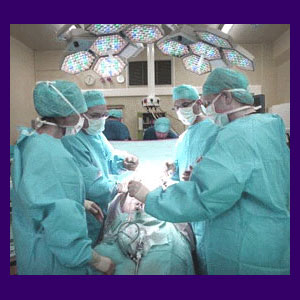
Laser back surgery has advanced the way dorsalgia is treated using invasive therapies and allowed more patients to receive care.
Many orthopedic surgeons and neurosurgeons now utilize laser technology to offer minimally invasive back surgery procedures. These techniques can accomplish the desired anatomical objectives without the need for antiquated and barbaric practices, such as widespread muscular dissection, large surgical incisions and other undesirable aspects of traditional open surgery.
Lasers are just tools, however, and although they can be more efficient at performing operations, they can not do anything to overcome many of the most common problems associated with all back surgery techniques, including surgeon error, misdiagnosis and postoperative complications.
This essay details the use of lasers in a variety of surgical settings involving back and neck pain diagnoses.
Laser Back Surgery Advantages
Lasers can reduce the incidence of some of the most common back surgery complications, including infection and scarring. Additionally, lasers also allow the least invasive approach in virtually every procedure, since they are extremely precise and versatile as surgical instruments.
Lasers can access every conceivable area of the anatomy without the need for the large surgical wounds common to old fashioned operative techniques. This is particularly useful for spinal surgeons, since the risk of nerve damage is already high during many procedures and the less trauma caused to healthy tissues, the faster the patients can recover from back surgery.
These are some significant and powerful pluses when considering a laser procedure versus a traditional open technique.

Laser Back Surgery Disadvantages
Laser techniques really do not have any disadvantages when compared to traditional spinal surgery. However all is not perfect in the laser surgery arena. Lasers are not utilized in every type of surgical procedure, since in some cases, the surgeon must actually access large areas of the spine through open incisions. However, the number of procedures performed this way continues to decline year over year.
The most important negative connotation of laser spine surgery is the simple fact that surgeries are not needed in the majority of patients who receive them. In some cases, the diagnosis is correct, but surgery is optional and could easily have been avoided. In other patients, the diagnosis is wrong and the procedure is likely to do nothing at all to cure the pain, as it is not directed at the actual symptomatic source.
Unsuccessful laser surgery is certainly just as much of a problem as it is with traditional versions of failed surgery syndrome.
Laser Surgery Guidance
If you are confident that you actually require back surgery and feel that the operation will indeed provide you with a rare cure, then laser technology is recommended when applicable. Lasers will help to keep collateral damage to healthy tissues to a minimum and allow you to benefit in the form of a faster surgical recovery.

Finding a surgeon who offers laser spine surgery will increase the chances that the doctor is up-to-date on the latest procedural protocols.
Just remember that no matter how minimally invasive your chosen technique may be, surgery is always a big risk and should never be taken lightly. Be sure to talk over the pros and cons with at least a few different doctors before making your final decision.
Most of all, if you do decide to proceed, hold your surgeon accountable. Make them give you a definite prognosis and tell them that you will expect this result. This way, you may be more likely to receive an honest assessment of your chances for a positive outcome.