Paraplegia is a serious spinal cord condition which affects the neurological functions of the lower body. The word comes from the translation of the Greek words para and plege. Together, these words mean “near to a stroke”. People who are affected by this devastating condition are called paraplegics and the condition itself is sometimes called lower body paralysis.
It is not common knowledge that there are 2 distinct types of paraplegics. Complete cases of lower body paralysis are the most well known and entail no neurological function in affected areas. However, incomplete paralysis is actually far more prevalent and allows for some remaining neurological function in affected areas.
This treatise provides a detailed look at life with lower limb paralysis due to spinal cord trauma and disease.
What is Paraplegia?
The condition describes a complete or partial lack of motor, sensory and systemic functions in the lower body and extremities. Every affected individual will have a unique symptomatic profile, depending on the location and extent of the causative condition.
A complete paraplegic condition will demonstrate total loss of nerve function below the affected spinal level. There will be an objective lack of motor function and sensation in all affected regions of the body.
An incomplete paraplegic condition describes a less than total loss of nerve function below the affected vertebral level. Some sensation and/or mobility remain in affected anatomical locations.
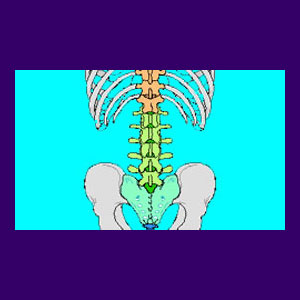
Paralysis which affects the lower body results from some damaging occurrence influencing the thoracic, lumbar or sacral spinal regions. The higher the condition extends, the more wide-ranging the symptoms will typically be.
Paraplegia Causes
Paraplegic conditions can be caused by a wide range of circumstances. Some persons are born with a problematic structural condition which can cause lower body paralysis. Many disease processes, such as Multiple Sclerosis, are also responsible for creating total or partial lower body dysfunction.
Spinal cord injury due to violent trauma is a very common causation behind the loss of neurological function. Car accidents, gun shots, serious falls, violence and other scenarios can lead to life altering complete lower body paralysis if the spinal cord is severed or completely damaged and incomplete neurological impairment if the cord remains partially intact and functional.
Other causes of lower extremity paralysis include spinal tumors and a variety of rare, but serious disease processes.
Paraplegic Risks
Depending on the severity of the condition, the affected patient is exposed to a variety of elevated risks:
Pressure sores are a big concern for anyone confined to a wheelchair or bed. Poor circulation typically experienced by paraplegics only makes this matter worse and can also lead to other problematic concerns, such as thrombosis and even blood clots.
Pulmonary embolism is a life threatening side effect of poor blood circulation and paraplegics suffer an elevated risk of death from this particular problem.
Septicemia and pneumonia are very dire conditions which attack paralyzed individuals, since their constitution is less able to fight off the effects of infection and disease.
Other typical issues which affect paraplegics include: loss of bowel and/or bladder functions, loss of sexual functions, chronic constipation and the obvious restrictions on mobility.
Paraplegic Life
Being a paraplegic does not mean that life is over. Many partially or completely paralyzed individuals lead a satisfying existence full of joy and even good health. It is crucial to remember that paraplegics do have special health requirements and must do everything in their power to maintain their bodies. Preventative care is key to leading a long and healthy life.
Mobility has become far easier for paraplegics, since handicapped accessibility has become the focus of more government and private business entities. There are few places which wheelchairs can not go and most paraplegic individuals can do almost everything they require for themselves.
While there is no substitute for full health and functionality, today’s partially paralyzed individuals enjoy more freedoms than ever before. Remember that life is a gift, regardless of the circumstances you must face. Keep positive mental and emotional states and your anatomy will benefit from the combined unity of mind, body and spirit.