
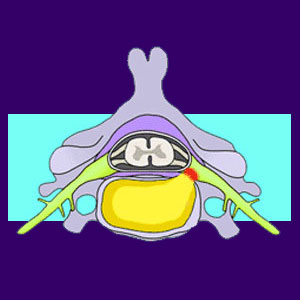
The psychology of a pinched nerve is a vital aspect to consider for patients who have been diagnosed with chronic radicular pain. A pinched nerve is a common medical diagnosis, which is very prevalent in the back pain industry. Although spinal pinched nerves do exist, they are actually quite rare and are often misdiagnosed as the actual cause of pain and related symptoms.
Regardless of whether the diagnostic theory is correct or not, once a person thinks that they have a pinched nerve, they are changed psychologically. The emotional burden of worry which comes from a pinched nerve is significant, since many patients associate compressive neuropathy issues with motor function loss, sensory deprivation and even paralysis.
This essay helps to put the diagnosis of a pinched nerve into perspective in order to dispel many of the negative mindbody effects of the condition.
Psychology of a Pinched Nerve Diagnosis
Many doctors and chiropractors will diagnose a pinched nerve simply from a physical exam or x-ray. This is where the trouble begins for the poor unfortunate patient. Pinched nerves can only be accurately diagnosed via MRI and even then, there can be some room for error. Many doctors hear the words numbness, tingling or weakness and instantly assume that a pinched nerve exists. Well, you know what they say about people who assume…
The best way to ensure a correct diagnosis is to consult your neurologist when it comes to problematic nerve issues. These doctors can tell for sure if a nerve structure is involved in the symptom expression and will be useful in determining why a nerve might be affected.
Remember, structural compression is just one of many possible reasons which might explain the typical symptoms of a pinched nerve. Ischemia is a far more usual causation of these neurological symptoms than any type of structural nerve compression. However, oxygen deprivation back pain is rarely diagnosed, often sending the patient on a fruitless quest in search of relief.

Pinched Nerve Emotions from Treatment
Pinched nerve treatment can be conservative or drastic, depending on the severity, location and duration of symptomology. Even in cases of actual structural nerve compression, most pinched nerves might heal completely on their own, without any medical intervention at all. This is especially true for nerve conditions blamed on herniated discs. For patients with true structural nerve root impingement, there are a great number of effective back pain treatment options which can relieve all but the most stubborn pain.
Patients who are actually suffering from ischemic back pain would be smart to consider learning more about knowledge therapy treatment. This is the method of care which statistically offers the best hope of resolving any psychogenic chronic back pain condition which may be mistakenly blamed on a compressed neurological structure.
Psychology of a Pinched Nerve Conclusions
As with any dorsopathy syndrome, accurate diagnosis is the key to recovery. Pinched nerves are a sizeable part of the medical mythology which fuels the aforementioned back pain industry. Most diagnosed patients simply do not know the facts and are sometimes exploited due to their lack of knowledge.
Do not fall into this trap. Learn all about your particular back pain diagnosis and be wary of anything which does not sound quite right to you. This is doubly true if you have already been suffering for a long time and have not been able to find relief from a wide assortment of appropriate treatment options.
Never forget that in order to get better, you will need to leave behind the pain and all the psychological effects caused by your physical suffering. This includes the worry, fear and anxiety so common with compressive neuropathy diagnoses. You might need help in letting go of all these psychoemotional traumas, so feel free to talk to your doctor or a mental health professional if you feel that the lingering emotional remnants of your pain are still preventing you from recuperating 100%.
Back Pain > Psychology of Back Pain > Psychology of a Pinched Nerve