
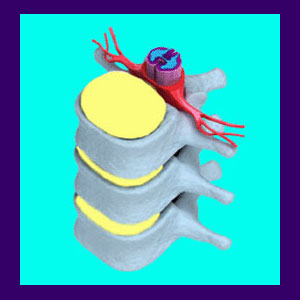
Radiofrequency lesioning is a minimally invasive back surgery procedure that uses electrical pulses to block nerve signals. Treatment literally short-circuits the organic electrical system of treated nerves, preventing them from carrying pain messages to the brain. In essence, the underlying condition generating the pain still exists and does indeed attempt to signal the body’s distress. However, since the nerves used for sensory communication have been treated with RFL, these pain messages never reach their intended target and do not register.
Common names for this type of operation include temporary neurotomy, nerve ablation or deneration. This procedure can be used to effectively treat many kinds of specific and non-specific back pain in which the troublesome nerve fibers can be definitively identified.
This dialog provides factual assessment of the benefits and limitations of radiofrequency nerve ablation for back and neck pain.
Radiofrequency Lesioning Procedure
The RFL procedure is performed under local anesthetic in almost every case. It is important that the patient is awake and aware, since part of the procedure requires the patient’s feedback for best results.
A thin needle is inserted into the back and viewed under live x-ray. Once the needle is in the correct position, close to the symptomatic nerve tissues, electrical current is delivered, stopping the nerve from signaling altogether. If all goes well, the small incision will be closed and the patient will be free to go home shortly after surgery.
The RFL procedure is a less invasive approach to traditional back surgery and can be completed in less than 1 hour. No formal rehabilitation therapy is typically needed, although physical therapy may prove useful in returning patients to an active lifestyle if they have been restricted due to pain for a long time.
Radiofrequency Lesioning Factsheet
The effects of RFL are called semi-permanent and typically lasts in successfully treated patients for about 6 to 12 months. Personally, I think anything that lasts 6 months is better named temporary.

Subsequent rounds of treatment can be used, even over extended timelines. However, patients often enjoy progressively shorter durations of pain relief from follow-up nerve ablation procedures. If multiple RFL sessions do provide good symptomatic management, more drastic and permanent methods of cutting or burning the affected nerves may be considered. This path might provide permanent pain relief for some patients with a wide range of diagnosed spinal issues.
Expectations for Radiofrequency Nerve Ablation
The radiofrequency nerve ablation procedure is dependent upon 2 important criteria in order to be effective. First, success relies on accurate diagnosis. If the treated nerve is not the correct source of pain, then the procedure will be a waste. Second, the treated nerve cannot actually be seen under x-ray. The surgeon can only approximate the location of the nerve, by using bone as a guide. This is usually accurate, but individual anatomical variations may place the nerve further away from the electrical pulse, creating a decreased effect.
Additionally, if a vascular or other normal neurological structure is too close, there may be unforeseen damage done to the anatomy. Most of these instances are minor and temporary, but sometimes, permanent nerve damage or other health concern may be a permanent complication of the procedure.
If everything works out right, the pain will be relieved or significantly reduced. Unfortunately, this is a surgical treatment and not a cure. The benefits are temporary and the procedure must be repeated many times to enact enduring back pain relief.
If you are working towards a cure and simply need symptomatic treatment in the short term, then I believe that RFL might be an excellent procedure to investigate. The risk is low and the results can be excellent. Just remember, it is basically a surgical aspirin and the effect will simply not last.
At least if the patient decides to pursue some other type of more invasive surgery or conservative care practice, such as spinal decompression, in the future, the RFL technique will not exclude them from these paths of care. This is a distinct advantage over some other operations which may contraindicate patients from some other potentially valuable treatment practices.