
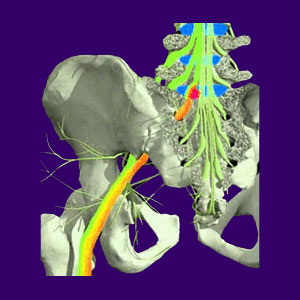
Sacroiliitis is a common diagnosis used to explain general lower back pain and sciatica symptoms which are not thought to be caused by a spinal structural concern. Instead, the pain is theorized to come from the sacroiliac joint, which is a small but unbelievably strong joint connecting the spine to the pelvic ilium. Although this joint is one of the best designed in the entire human anatomy, injury and degeneration can still take their toll on the sacroiliac.
However, in many instances, degeneration and inflammation here is normal and is blamed for causing pain which it is unlikely to be sourcing. In these cases, the pain may be located nearly in another structure or may be a regional process affecting the nerves or soft tissues in the entire low back/buttocks area.
This essay examines the reasons for pain within the actual SI joint itself.
Sacroiliitis Causation
The following are all theorized explanations for why pain might be linked to mechanical dysfunction within the SI joint:
Sacroiliac pain can result from a ligament or bone condition inside the SI joint. Sacroiliitis is the name for SI joint symptoms which present themselves from an inflammatory bone condition, as opposed to sacroiliac joint dysfunction, which is typically blamed on overly tight or overly lax ligaments.
Osteoarthritis can cause SI joint pain due to normal degenerative processes. This condition rarely creates severe or debilitating pain, but is often mistakenly blamed for far more serious symptoms. Remember, degeneration is a normal and universal part of getting older, but is not usually overly symptomatic.

Injury to the SI joint can create pain and disability, but these instances are typically accurately diagnosed and successfully treated, since the cause is obvious. Remember that structural pain usually responds well to appropriate medical treatment. Patients who must endure treatment resistant back pain from suspected SI joint concerns are often inaccurately diagnosed.
SI Joint Facts and Myths
Some patients with sacroiliac joint problems are under the impression that the SI joint is highly susceptible to injury and degeneration. In reality, this joint is one of the best designed in the human anatomy and demonstrates excellent resilience to both injury and arthritic degeneration.
The SI joint is instrumental in maintaining our upright posture and is vital for proper locomotion. True SI joint concerns can be huge problems for affected patients. Luckily, these extreme cases are indeed very rare.
Diagnosing SI joint concerns is not accurately accomplished using anesthetic injections. A dose of anesthetic can affect the entire local neurological network and might relieve symptoms caused by a completely different physical cause. An anesthetic injection will also alleviate symptoms caused by ischemia, which is a common regional process often responsible for pain in the low back, buttocks and hips.
Misdiagnosed patients have little hope of finding real relief, since they are seeking out care for a completely innocent and asymptomatic condition, while the actual source of their pain remains undiscovered and therefore, untreated.

Help for Sacroiliitis
I am always suspicious of a diagnosis involving the SI joint, unless there is obvious injury to the region. Sacroiliac joint degeneration has been vilified much akin to the ridiculously named degenerative disc disease or typical forms of arthritis in the spine. These conditions are universal and normal, yet have been elevated to disease status by the Cartesian-obsessed and profit-motivated back pain industry.
No wonder most therapy options show such horrific curative results…
The diagnoses are wrong in so many cases.
You must take an active role in your own healthcare. Learn the facts for yourself, especially if you have chronic pain. Once you understand why your back, hips or legs really hurt, finding an effective cure will be much easier.