
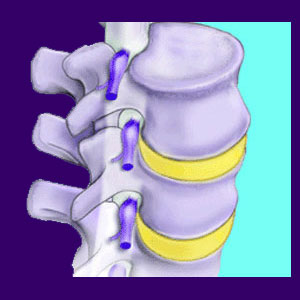
Seeking facet joint therapy, without understanding the implications of the diagnosis, can be a recipe for disaster. Many patients receive a diagnosis of facet joint syndrome and immediately take whatever treatment recommendation is first offered to them by the diagnosing physician. This action without knowledge contributes to poor treatment results for so many patients. Facet joint syndrome therapy comes in 2 distinct varieties, symptomatic treatment and curative treatment. It is important to know the facts about all your care options before deciding on which therapy is right for your particular type of pain.
The decisions involved in treating facet joint pain should be a combined effort between the doctor and the patient, but should never be controlled exclusively by one or the other. Take an interest and get involved. It is your health and your life at stake.
This essay encourages patients to learn more about their therapy options before acquiescing to a particular treatment for facet joint arthritis.
Indications for Facet Joint Therapy
Medical treatment is indicated for confirmed cases of severe facet syndrome symptoms. Unfortunately, many cases of facet joint syndrome are misdiagnosed. This creates a large number of patients receiving treatments designed to cure pain from a condition they do not even suffer from. Sure, they might have the common degenerative changes associated with facet joint arthrosis, but these are not the actual cause of the pain. This is the most common reason for poor treatment results and lingering chronic facet joint pain.
For patients with actual symptomatic facet joint arthritis, medical and/or complementary therapies should be discussed with care providers and a plan should be enacted to achieve the desired goal. For patients with minor symptoms, symptomatic treatment might be acceptable. For patients with severe pain, symptomatic treatment is not advised. Ongoing therapies which only lessen the symptoms, but do nothing to cure the underlying condition, often perpetuate the pain and enslave the patient in an everlasting treatment regimen. However, curative measures for facet joint complaints often involve surgical correction.

It is easy to see why many patients get stuck in a catch 22 when it comes to the choice of treatments. Conservative options do not cure anything, while most drastic treatments involve back surgery, which can be a scary and risky ordeal for any patient. For more information, please learn the difference between a back pain treatment and a back pain cure.
Mindbody Therapy for Facet Joint Pain
Many patients with diagnosed facet joint symptoms are actually suffering from psychosomatic conditions. This is one of the most common forms of dorsalgia and is usually the actual reason why a symptomatic syndrome may become stubbornly treatment resistant. If you have been diagnosed with facet syndrome, but have received poor results from appropriate treatments, you must consider the fact that you too might have been misdiagnosed.
There is no shame in this, since psychosomatic pain syndromes are nearly universal and far more common than actual facet joint syndrome. If this is your reality, then considering knowledge therapy as an alternative path to recovery may be indicated, since the treatment has helped many patients.
Facet Joint Therapy Choices
Structurally-induced pain typically responds well to physical medical treatment. If your facet joint pain is resolved during the course of prescribed therapy, then thank your doctor for an excellent diagnosis and well planned treatment. If your pain becomes chronic or worsens, despite appropriate therapy, you must consider the possibility that your pain might come from a completely different source than your degenerated facet joints.
Many patients are misdiagnosed with facet arthrosis as the source of pain when another purely physical concern exists causing their pain. Always be sure that other structural issues are not responsible for symptoms before assuming a nonstructural causation, such as regional oxygen deprivation, is to blame.
It is rare for a doctor to acknowledge a mindbody pain condition, so do not expect to receive this diagnosis from them. It is up to you to learn the facts about facet joint pain and then compare them to your own experiences. If you require help, you can always seek another opinion from a different type of doctor. In fact, getting multiple opinions is one of the best ways of avoiding the epidemic incidence of misdiagnosis which affects so many of us with spinal symptoms.