
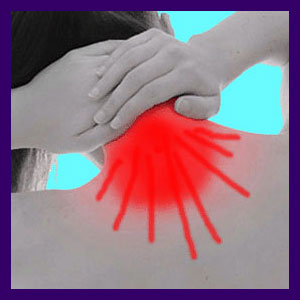
Neck muscle pain can result from traumatic injury, overuse, certain disease processes and degenerative conditions, as well as being caused by the mindbody interactions. Of all the cervical pain syndromes, muscular discomfort is certainly the most commonly experienced. While most muscle ache concerns are not serious and may not even require any specialized care, it is always a good idea to get serious or lasting neck pain syndromes evaluated by a qualified physician, just to be safe. Neck muscle pain is usually felt in the trapezius, splenius, sternocleidomastoid, scalene and levator scapulae muscles.
Muscular pain in the neck can affect the ability to move the head and the arms. Tension headaches are also a common side effect of muscular cervical pain. Additional information on the full range of possible cervical symptoms can be found in our neck pain resource section.
Neck Muscle Pain Symptoms
The following are all possible symptomatic expressions found in the neck muscles. These symptoms can be strikingly similar regardless of the cause, with those enacted by degeneration, psychosomatic interaction and even neck injury being basically identical in their effects:
Pain is the most common expression and can be located in the top, bottom or side of the neck, unilaterally or bilaterally. Many patients experience their worst suffering at the base of the skull, behind the ear or at the cervicothoracic juncture. Others may have radiating pain down the side of the neck, typically unilaterally, and possibly into the trapezius and shoulder. The discomfort might be steady or may come and go depending on the extent of injury. The pain is often made worse when the patient performs certain movements or activities.
Muscle spasm is not very common in neck ache conditions, but is certainly possible. A neck spasm is when the muscle contracts violently and uncontrollably. This condition is similar to a charlie horse or cramp. Often, the muscles of the upper back can go into spasm due to a neck muscle injury. This is more likely to be experienced than spasms in the neck itself.
Muscle tightness or stiffness is also common. There might be a pulling or abnormal stretching feeling when the neck muscles are used. This feeling is most common when reaching for something with the arms or when turning, raising or lowering the head. Chronic muscular tightness may indicate a muscle imbalance condition, but is also an extremely common indicator of a mindbody process at work, since the area is likely to be oxygen deprived.

Headaches may accompany neck muscle pain syndromes. Headache expressions can actually be worse than the muscular discomfort in some cases. Tension headaches are the variety which are likely to be directly related to the source of neck muscle symptoms. These typically affect the back and side of the head unilaterally and might also feel like they are creating pressure behind one of the eyes.
Guidance for Neck Muscle Pain
Neck muscle injuries are relatively common, since our heavy heads place inordinate stress on the neck. Whiplash injuries and falls are 2 of the most common forms of cervical injury. The anatomy of the neck makes it susceptible to a variety of degenerative processes, as well. The vertebrae and intervertebral discs are thin and light in structure here and suffer inherently severe degeneration as part of their natural life cycles. These factors may create painful neurological symptoms which might affect the local musculature.
If you are suffering from ongoing muscular neck pain, it is important to pause and consider the emotional components of the expression. Muscle pain is aggravated by worry and emotional stress. Have faith that the pain will subside soon. Take time to allow the injury to heal, but make sure to carefully use the muscles. Keeping the muscles immobile for too long will weaken them and actually make it harder for them to heal.
If you require symptomatic relief during the healing phase, speak to your doctor. Be cautious about using medications for neck pain, since these may have health risks not typically considered.
It is better to focus on non-pharmaceutical methods of coping with neck ache, such as exercise, massage, hydrotherapy, acupuncture and even TENS. Information on these, and many more therapies, can be found in our treating back pain section.