Spinal stenosis therapy usually consists of symptomatic treatments which can not possibly cure the structural canal narrowing. Spinal stenosis is a condition which can actually cause significant suffering in some instances, but is also mistakenly used as a diagnostic explanation for otherwise idiopathic back pain in many cases. For patients with actual physically-induced stenosis pain, it is crucial to understand the objectives of all possible therapy options before deciding on a proper course of treatment.
This article will explore the differences between curative and symptomatic care modalities used to treat spinal stenosis. Patients must understand the crucial differences between these 2 varieties of care before choosing a path for treatment which will best suit their own particular needs and expectations.
Spinal Stenosis Therapy Options
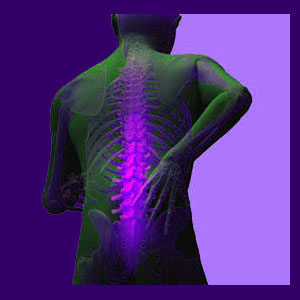
Spinal stenosis describes a narrowing of the spinal canal and possible impingement on spinal nerve roots or the actual spinal cord. Stenosis is commonly diagnosed in older patients and is a normal and expected part of the aging process. Most cases of stenosis are completely asymptomatic and do not require any treatment. In fact, most individuals with a narrowed spinal canal are not even aware that the condition exists, since they feel no pain.
Back surgery is the only universal treatment option which will do anything to alter the anatomical causes of permanent stenosis. Other therapies will work (or not) based upon symptomatic reduction or placebo effect.
Modern spinal decompression systems can actually cure stenosis related to a herniated disc in some instances. However, depression is not indicated for most other sources of a narrowed central canal.
Many complementary medical treatments claim to work well for stenosis, as do some alternative non-surgical medical therapies. It is very important to discuss any potential back pain treatment with the care provider in advance, to learn just what kind of results should be expected and how long the treatment should be administered. The most common symptomatic care methods include chiropractic, massage, TENS, exercise therapy and of course, the ever-present option, pharmaceutical pain management.
Mindbody Stenosis Therapy
Many patients with misdiagnosed spinal stenosis conditions are actually suffering from a psychogenic back pain syndrome, which uses the stenosis as a convincing anatomical scapegoat for their symptoms. While the structural indications of stenosis exist in these patients, the stenosis is not the actual cause of pain. Patients with this type of pain rarely find any relief despite trying a wide range of treatment options.
Some asymptomatic patients actually begin to experience pain due to the diagnostic nocebo effect imparted when they first discover they have a stenosis condition existent in their spines. The bedside manner of the doctor can prevent this occurrence or can deliberately enact it.
Doctors should be extremely careful with how the diagnosis of spinal stenosis is presented to a patient, especially in cases where the condition is mild and not likely to ever become a problem.
Spinal Stenosis Therapy Decisions
The majority of patients who show the structural indications of mild stenosis do not suffer any pain or related symptoms. This is a proven medical fact. Of the patients who do experience pain, many are actually experiencing symptoms from a completely different structural or mindbody process.
The remainder of diagnosed patients are truly suffering from stenosis-related pain. These patients should not simply jump into treatment blindly. It is well worth the time and effort to research all the possible therapies when it comes to finding stenosis relief.

Remember to look at the objective facts when studying these treatment modalities and do not allow any doctor to pressure you into a particular course of action, especially surgery. Also remember that symptomatic modalities must continue basically forever in order to maintain any effectiveness at all. They will never cure you. Meanwhile, curative care is usually more drastic, but when indicated, can provide a true end to the suffering. Keep this in mind as you research your choices and talk with your physician.